
Church of Jesus of Nazareth
(Please allow a few seconds for the video to load)
Welcome to
“The Church of Jesus of Nazareth” digital experience where history and technology intertwine to bring you something that is immersive and entertaining.
Explore the Church
Below, you will find a ‘Paywall’ feature, requesting you to make a donation to be able to enter the page.
Once you are in, you will find
Support a Mission, Explore a Treasure
Your entry helps Missio Malta continue their vital work in missionary lands overseas. By donating, you directly support communities in need while gaining 24-hour full access to this chapel's 3D experience and history.
Learn more about Missio's workAccess is valid for 1 Chapel for 24 hours from the time of donation
OR
360° Panorama
Zoom to full screen to view
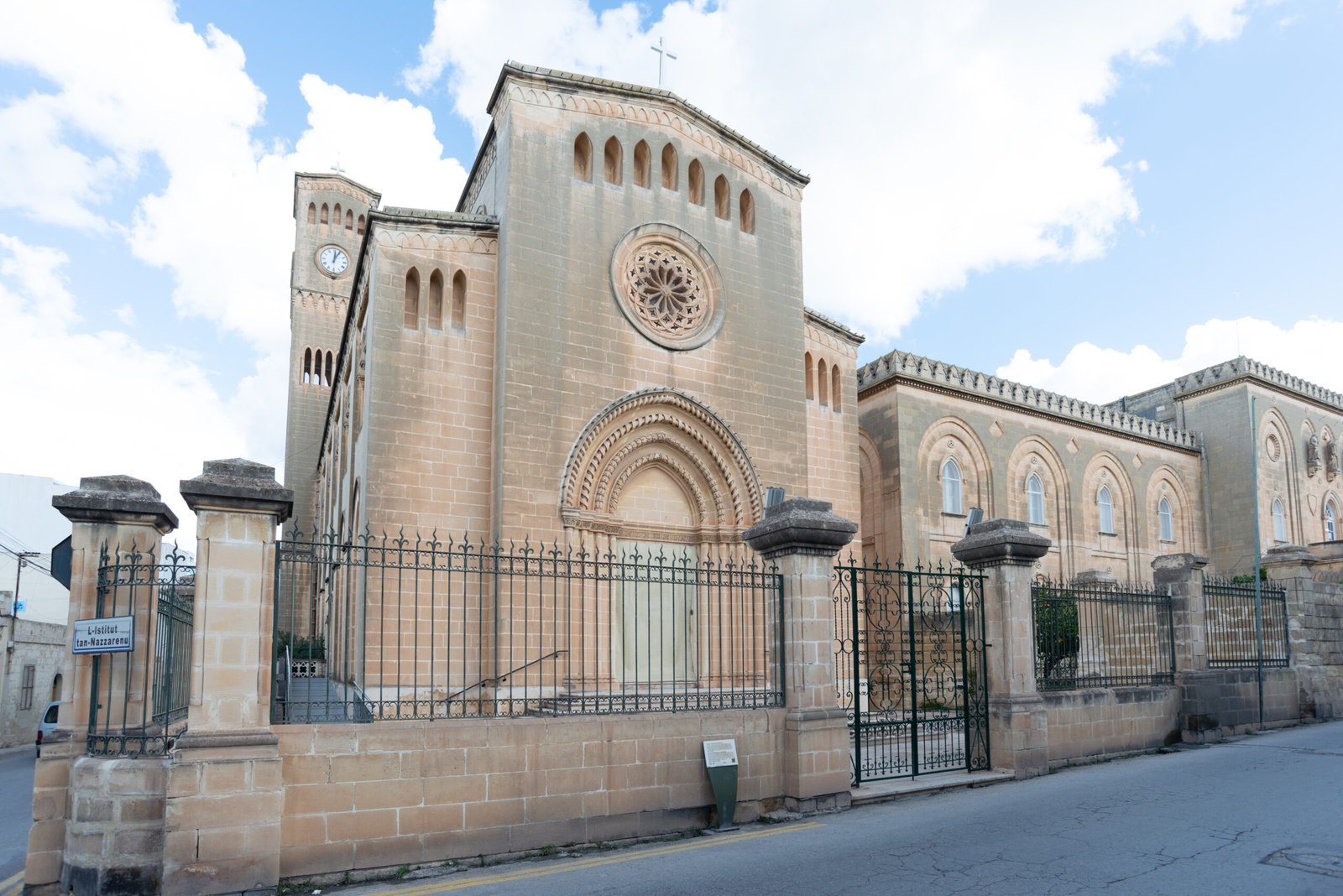
Chapel of Jesus of Nazareth
Located in the heart of Żejtun, Malta, the Chapel of Jesus of Nazareth stands as a testament to the dedication of Marija Ġużeppina Curmi and the Missionary Sisters of Jesus of Nazareth. This neo-Romanesque edifice, completed in 1927, served as an orphanage and a sanctuary for the congregation’s charitable endeavors.
The chapel’s exterior exudes a sense of warmth and serenity, characterized by its smooth, pale stonework and arched windows. The interior, designed with a spacious nave and a beautifully adorned altar, is a haven for spiritual reflection.
The chapel’s altar, a masterpiece of craftsmanship, is adorned with intricate carvings and religious symbols. The centerpiece of the altar is a large crucifix, symbolising the sacrifice of Jesus Christ. The altarpiece, a work of art in itself, depicts the Holy Trinity surrounded by angels.
The Chapel of Jesus of Nazareth was initiated by Marija Ġużeppina Curmi, a woman of deep faith and compassion, who dedicated her life to caring for orphans and the underprivileged. In 1924, construction began on the chapel and orphanage, designed by renowned architect Joseph Caruana Cachia. The orphanage, initially intended to house 50 children, quickly expanded to accommodate over 200.
Inspired by Curmi’s vision, the Missionary Sisters of Jesus of Nazareth were founded in 1934. The congregation, guided by the motto “In the Name of Christ, Our Love,” continued Curmi’s legacy of caring for orphans and providing assistance to those in need. Over the years, the sisters expanded their charitable work, establishing homes in Birkirkara, Marsaxlokk, and Canada.
Born in Valletta in 1864, Ġużeppina Curmi was raised in a devout family and instilled with a deep sense of compassion for others. As a young woman, she dedicated herself to teaching catechism and providing care for orphans. A pilgrimage to Lourdes in 1909 deepened her spiritual calling, and she devoted the rest of her life to establishing the Congregation of the Jesus of Nazareth Sisters.
The Chapel of Jesus of Nazareth stands as a testament to the enduring legacy of Marija Ġużeppina Curmi and the Missionary Sisters of Jesus of Nazareth. The chapel, with its serene ambiance and artistic treasures, continues to serve as a place of spiritual solace and refuge. The congregation’s work of caring for orphans and those in need continues to inspire and embody the spirit of compassion and love that Curmi so passionately embodied.
Marija Ġużeppina Curmi
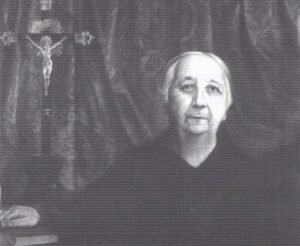 The Missionary Sisters of Jesus of Nazareth were founded by Marija Ġużeppina Curmi, a pious woman from Valletta, but residing at Żejtun, with the aim of taking care of the orphans she had gathered together in her large family house in Żejtun. The Congregation received episcopal approval in 1934. The Missionary Sisters of Jesus of Nazareth at present take care of children, young girls and old people in Jesus of Nazareth Institute, and in their homes at Birkirkara, Marsaxlokk and Canada.
Marija Ġużeppina Curmi was born in Valletta on 15 October 1864 and was the daughter of Dr. Paolo Curmi, who was the mayor of Żejtun, and Francesca nee’ Azzopardi. When she was one year old, she was brought to Żejtun where she spent the rest of her life. In her youth she gave catechism lessons to children, first at her home in St Angelo Street and then in the church of the Holy Spirit.
Once, when on a pilgrimage to Lourdes, she experienced a religious calling, and in the following years she instituted at Żejtun the Congregation of the Jesus of Nazareth Sisters who for several years took care of orphans, not only at Żejtun, but also in other parishes.
Ġużeppina passed away in Żejtun on 27 December, 1931.
