
Chapel of St. Catherine
(Please allow a few seconds for the video to load)
Welcome to
“The Chapel of St. Catherine” digital experience where history and technology intertwine to bring you something that is immersive and entertaining.
Explore the Chapel
Below, you will find a ‘Paywall’ feature, requesting you to make a donation to be able to enter the page.
Once you are in, you will find
Support a Mission, Explore a Treasure
Your entry helps Missio Malta continue their vital work in missionary lands overseas. By donating, you directly support communities in need while gaining 24-hour full access to this chapel's 3D experience and history.
Learn more about Missio's workAccess is valid for 1 Chapel for 24 hours from the time of donation
OR
360° Panorama
Zoom to full screen to view
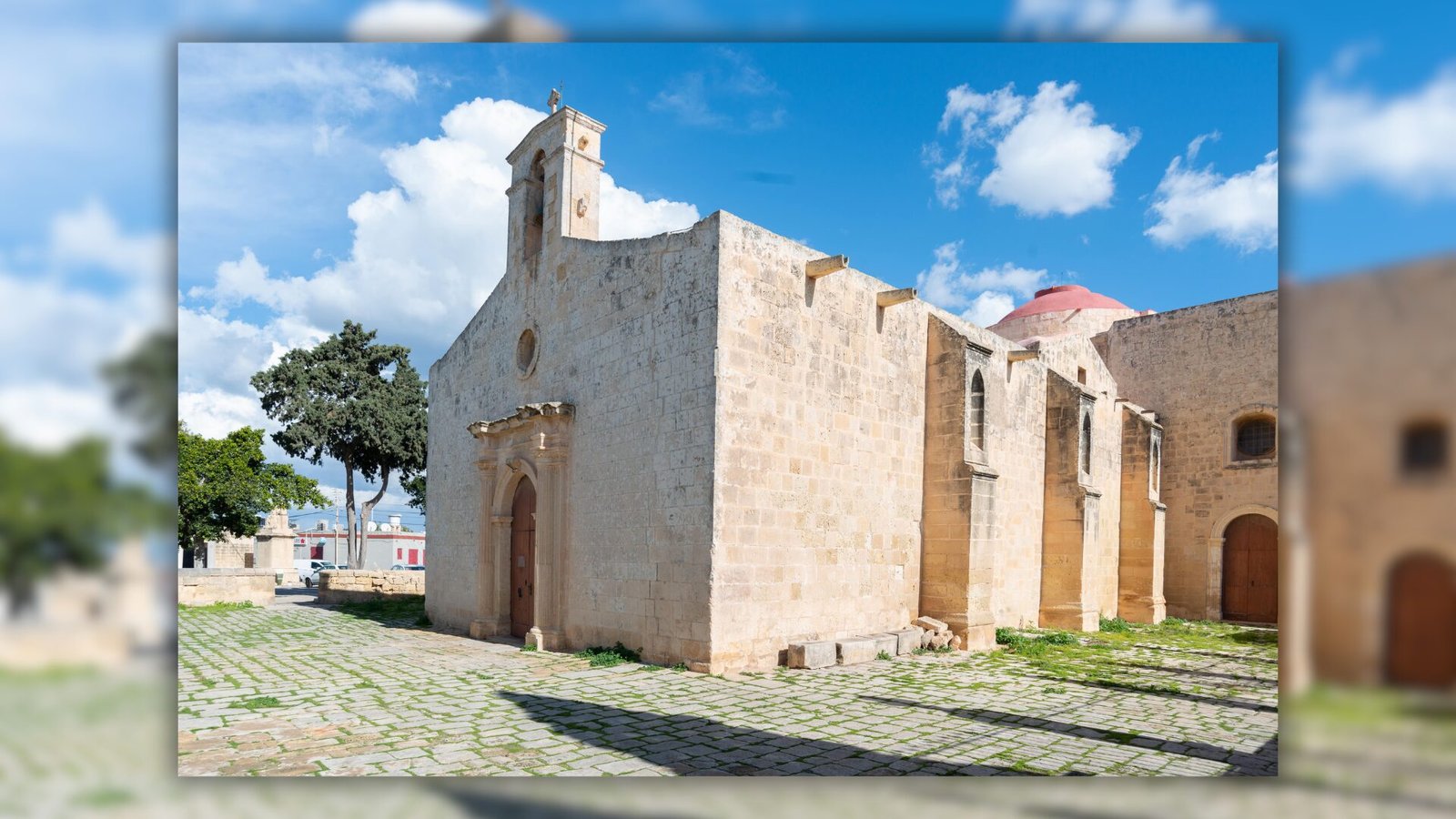
Chapel of St. Catherine
The Chapel of Santa Katerina, commonly known as St. Gregory’s Church (San Girgor), is a historic Roman Catholic edifice located in Żejtun. This venerable structure has played a significant role in the religious and cultural tapestry of the region.
Historical Background
The origins of the chapel trace back to at least 1436, when it was listed among Malta’s eight mother churches. Dedicated to St. Catherine of Alexandria, it served as the primary parish church for Żejtun and the surrounding areas. Over time, the church became colloquially known as St. Gregory’s due to the annual pilgrimage and feast associated with St. Gregory, a tradition that continues to this day.
Construction Details
The original structure was a modest rectangular building. In the 16th century, significant modifications were undertaken, including the addition of a Renaissance-style doorway and the enlargement of the church’s footprint. A dome was also added during this period, enhancing its architectural prominence. The church’s design reflects a blend of medieval and Renaissance influences, characteristic of Maltese ecclesiastical architecture of that era.
Cultural and Religious Significance
St. Gregory’s Church holds a special place in Maltese religious life, particularly due to the annual feast of St. Gregory. This event, featuring a traditional pilgrimage and various cultural activities, attracts participants from across the island, underscoring the church’s role as a focal point of communal devotion. The church’s association with both St. Catherine and St. Gregory highlights its importance in the spiritual heritage of Żejtun and Malta as a whole.
Present-Day Context
Today, the chapel stands as a testament to Malta’s rich religious history. It has undergone various restorations to preserve its structural integrity and historical features. The church remains under the care of the local parish and continues to host religious services and events, maintaining its status as a vital part of the Żejtun community.
Unique Stories or Legends
An enduring legend suggests that in 1223, Emperor Frederick II exiled the male population of Celano, Italy, many of whom settled in Żejtun, then known as Terra Santa Caterina. This narrative, though not conclusively verified, adds a layer of historical intrigue to the church’s legacy, reflecting the deep-rooted connections between local traditions and broader historical events.
Visual and Artistic Features
The church’s exterior showcases a simple yet elegant façade, featuring a Renaissance doorway added during the 16th-century renovations. Inside, the church houses notable artworks, including a painting dedicated to St. Gregory, dating back to 1614. This painting, which bears the emblem of the Mdina popular council of the time, underwent a year-long restoration and was reinstated in the church, highlighting its artistic and historical value.
In summary, the Chapel of Santa Katerina (St. Gregory’s Church) in Żejtun stands as a monument of historical and cultural significance. Its rich past, architectural features, and enduring role in religious traditions continue to make it a cherished landmark in Malta’s heritage.
St. Catherine of Alexandria: The Saint of Courage, Wisdom, and Malta’s Devotion
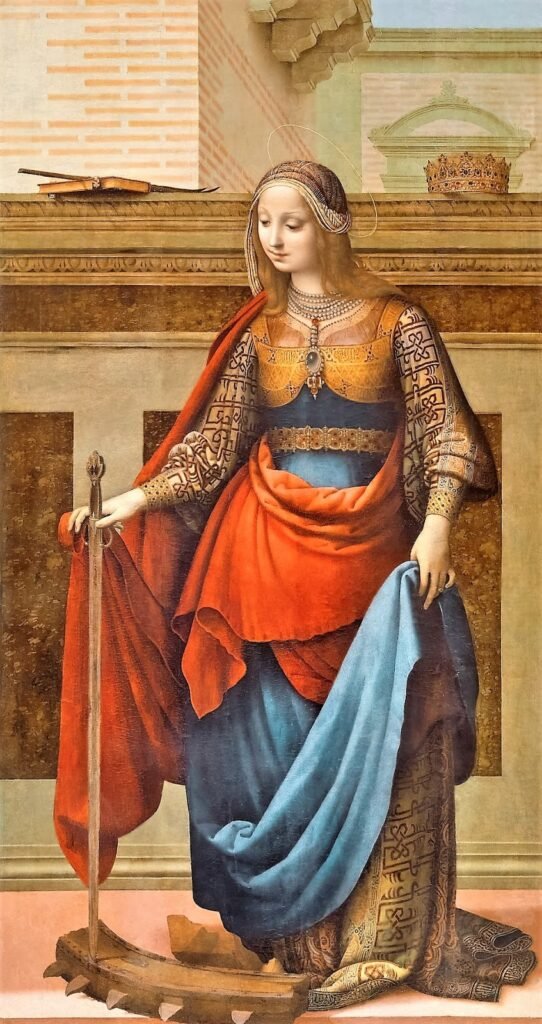
St. Catherine of Alexandria, also known as Catherine the Great Martyr, is a Christian saint venerated in the Roman Catholic, Eastern Orthodox, and Anglican traditions. Her life story is a mix of history and legend, making her an intriguing figure.
St. Catherine was born in Alexandria, Egypt, in the late 3rd century. She was the daughter of a pagan king or noble and was known for her exceptional beauty, intelligence, and wisdom. She converted to Christianity in her teens after a profound vision of the Virgin Mary and Jesus Christ.
During the reign of Emperor Maxentius (305–312 AD), she openly denounced his persecution of Christians and his worship of pagan gods. She reportedly debated 50 of the emperor’s philosophers and scholars, convincing them of the truth of Christianity. These scholars converted to Christianity and were executed for their faith.
Catherine was sentenced to death by the infamous spiked breaking wheel, but according to legend, the wheel shattered when she touched it. This led to her being beheaded instead. Her martyrdom is said to have inspired countless conversions to Christianity.
She is the patron saint of philosophers, theologians, librarians, students, and wheelwrights. The “Catherine Wheel” firework is named after the device intended for her execution.
Significance of St. Catherine in Relation to Malta
St. Catherine holds a special place in Maltese Catholic devotion. Numerous churches and chapels across Malta and Gozo are dedicated to her, reflecting her importance in local religious life. The Church of St. Catherine in Żejtun is particularly notable. It’s one of Malta’s most significant churches, with baroque architecture and a long history tied to Maltese culture and Catholic heritage.
Her feast day, celebrated on November 25th, is marked with religious processions, Mass, and other traditional events in communities where she is the patron saint.
St. Catherine is an emblem of courage, intellect, and faith, traits that resonate with Maltese history, particularly during periods of foreign rule and conflict. Her story of standing against an emperor reflects the resilience of Malta’s people, who have a long history of defying larger powers and maintaining their identity.
Why St. Catherine’s Story is Interesting
Her tale blends historical events and miraculous elements, providing a captivating narrative that has inspired art, literature, and devotion for centuries.
St. Catherine’s courage in defending her faith, her intellectual prowess, and her refusal to conform to societal expectations make her a timeless figure of empowerment, especially for women.
She is often depicted with the broken wheel, a sword (symbolising her martyrdom), and a crown (representing her noble birth and spiritual victory). These elements provide rich material for storytelling and artistic expression.
Interesting Fact
St. Catherine’s body was reportedly carried by angels to Mount Sinai, where the Monastery of St. Catherine was later established. This ancient monastery, still active today, is one of the oldest Christian monasteries in the world and a UNESCO World Heritage Site.
St. Catherine’s life story is an inspiring tale of intellect, faith, and defiance against oppression, making her a compelling figure in both religious and cultural contexts, including Malta.
