
Church of The Scared Heart of Jesus
(Please allow a few seconds for the video to load)
Welcome to
“The Church of The Sacred Heart of Jesus” digital experience where history and technology intertwine to bring you an immersive experience.
Explore the Chapel
Below, you will find a ‘Paywall’ feature, requesting you to make a donation to be able to enter the page.
Once you are in, you will find
Support a Mission, Explore a Treasure
Your entry helps Missio Malta continue their vital work in missionary lands overseas. By donating, you directly support communities in need while gaining 24-hour full access to this chapel's 3D experience and history.
Learn more about Missio's workAccess is valid for 1 Chapel for 24 hours from the time of donation
OR
360° Panorama
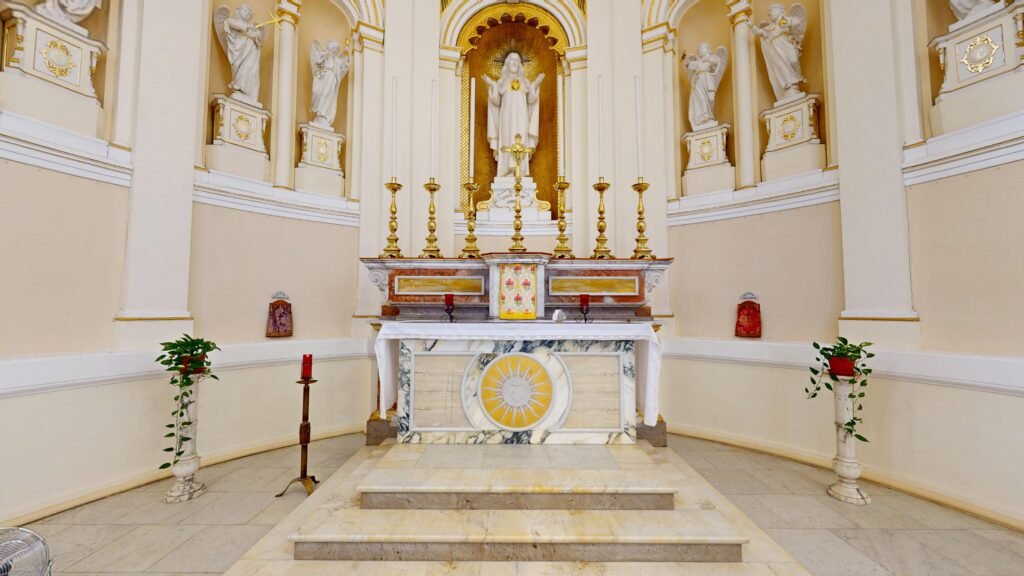
Church of The Scared Heart of Jesus
The Church of the Sacred Heart of Jesus is located within the grounds of the St Vincent de Paul Residence, Malta’s principal state-run elderly care facility. The residence itself was established in the late 19th century, with significant expansion in the 20th century to accommodate Malta’s growing ageing population. The Church was constructed as part of this institutional development, intended to serve both residents and staff by providing a dedicated place of worship rooted in Catholic devotion. Its dedication to the Sacred Heart reflects a widespread 19th–20th century emphasis on compassion, mercy, and spiritual comfort—values closely aligned with elderly care.
Precise construction records are limited, but the Church appears to have been built during one of the residence’s major expansion phases in the mid-20th century. The design follows a restrained ecclesiastical style suited to institutional settings: functional, accessible, and serene rather than monumental. Built using traditional Maltese limestone, the structure reflects local craftsmanship, likely involving government-appointed architects and builders rather than private patrons. The layout is compact, ensuring ease of access for elderly residents, with minimal structural ornamentation but careful attention to light and proportion. No major construction incidents are recorded, suggesting a straightforward build focused on practicality.
Within Malta’s deeply Catholic culture, the Church plays a vital pastoral role. It ensures that residents—many of whom may no longer travel to parish churches—retain access to Mass, prayer, and the sacraments. The devotion to the Sacred Heart symbolises solace, forgiveness, and enduring love, themes particularly resonant in a care environment. Regular liturgical celebrations, feast day observances, and quiet daily prayer reinforce a sense of dignity and continuity in later life. The Church thus acts as both a spiritual anchor and a cultural bridge, preserving traditions within a modern care setting.
Today, the Church remains an active and well-maintained part of the residence. It is managed in coordination with Catholic clergy who provide regular services, including Mass and pastoral visits. While not generally open to the wider public, it continues to serve hundreds of residents. Ongoing maintenance ensures accessibility and comfort, with occasional modest refurbishments to seating, lighting, and liturgical furnishings.
Though not associated with grand legends, the Church’s significance lies in quiet, personal moments—final sacraments administered, lifelong devotions continued, and communal prayers shared. For many residents, it represents continuity with their parish life, offering familiarity in a new environment.
The Church interior is simple yet reverent. A central altar is complemented by a prominent statue or image of the Sacred Heart of Jesus, often depicted with radiant heart symbolism. Soft lighting, modest stained or coloured glass, and orderly pews create a calm atmosphere. Decorative elements are minimal but purposeful, focusing attention on prayer rather than spectacle.
The Sacred Heart of Jesus: A Devotion of Love, Sacrifice and Enduring Faith
Origins of the Sacred Heart Devotion
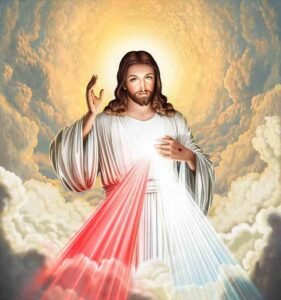 The devotion to the Sacred Heart of Jesus centres on Christ’s physical heart as a symbol of divine love for humanity. Its roots lie in early Christian reflection on Christ’s Passion, particularly the moment when His side was pierced during the Crucifixion. From this wound, believers saw not only suffering, but a powerful expression of mercy and redemption.
By the Middle Ages, mystics began to focus more deeply on Christ’s humanity and His loving heart. Figures such as St Gertrude and St Mechtilde spoke of the heart of Christ as a source of grace, but the devotion remained largely personal and contemplative rather than widespread.
The Visions that Changed Everything
The devotion took a decisive turn in the 17th century through the visions of Margaret Mary Alacoque, a nun in France. Between 1673 and 1675, she reported a series of apparitions of Christ, who revealed His heart “burning with love” and wounded by human indifference.
These visions called for specific acts of devotion: receiving Holy Communion on the first Friday of each month, honouring the Sacred Heart through prayer, and promoting a feast dedicated to it. Initially met with scepticism, her message gained acceptance through the support of clergy, including the Jesuits, and gradually spread across Europe.
Symbolism and Meaning
The imagery of the Sacred Heart is unmistakable. Christ is shown pointing to His heart, which is often encircled by a crown of thorns, pierced, and aflame. Each element carries meaning:
- The flames represent divine love that never fades
- The crown of thorns recalls suffering and sacrifice
- The wound signifies the depth of Christ’s compassion
- Light radiating outward symbolises grace reaching humanity
This devotion emphasises both love and suffering—offering a deeply human understanding of Christ that resonates across generations.
Spread Across Europe and Beyond
By the 18th and 19th centuries, the devotion had become firmly established in Catholic life. Churches, homes, and entire nations were consecrated to the Sacred Heart. The Feast of the Sacred Heart was formally recognised and is still celebrated annually.
Religious orders, particularly the Jesuits, played a key role in promoting the devotion worldwide, linking it with missionary work and education. The Sacred Heart became a symbol not only of faith, but also of moral renewal and spiritual resilience.
The Sacred Heart in Malta
In Malta, a country shaped by centuries of Catholic tradition, devotion to the Sacred Heart found fertile ground. Churches, chapels, and households embraced the imagery and practices associated with it. Statues and paintings of the Sacred Heart became common features in Maltese homes, reflecting a deeply personal faith.
Several local feasts and parish devotions honour the Sacred Heart, especially during June, the month traditionally dedicated to it. The devotion also found a natural place in institutions of care, such as hospitals and homes for the elderly, where its message of compassion and mercy carries particular meaning.
A Living Devotion
Today, the Sacred Heart remains one of the most recognisable and enduring devotions within Catholic life. It speaks to a universal need for love, forgiveness, and hope. Whether in grand churches or quiet chapels, the image of Christ’s heart continues to draw the faithful—offering comfort in suffering and a reminder of a love that does not waver.
