
Chapel of Our Lady of Sorrows
(Please allow a few seconds for the video to load)
Welcome to
“The Chapel of Our Lady of Sorrows” digital experience where history and technology intertwine to bring you something that is immersive and entertaining.
Explore the Chapel
Below, you will find a ‘Paywall’ feature, requesting you to make a donation to be able to enter the page.
Once you are in, you will find
Support a Mission, Explore a Treasure
Your entry helps Missio Malta continue their vital work in missionary lands overseas. By donating, you directly support communities in need while gaining 24-hour full access to this chapel's 3D experience and history.
Learn more about Missio's workAccess is valid for 1 Chapel for 24 hours from the time of donation
OR
360° Panorama
Zoom to full screen to view
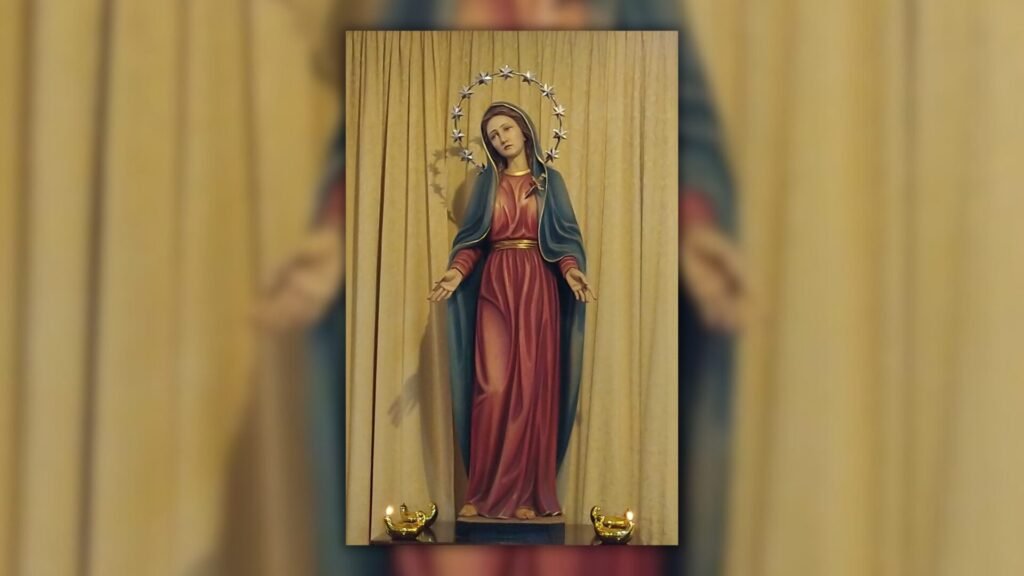
Chapel of Our Lady of Sorrows
The Chapel of Madonna tad-Duluri, located in Ħamrun, is a significant religious and cultural landmark dedicated to Our Lady of Sorrows.
Historical Background
The chapel’s origins date back to the early 18th century. It was established to serve the spiritual needs of the local community, providing a place for worship and reflection. The exact date of construction and the identities of its commissioners or benefactors are not well-documented. However, it is known that the chapel was dedicated to the Madonna tad-Duluri, reflecting the deep Marian devotion prevalent in Maltese society.
Construction Details
Specific details regarding the construction process, including costs and the individuals involved, are scarce. The chapel exhibits characteristics of traditional Maltese ecclesiastical architecture, featuring a modest yet harmonious design. Its façade is simple, with a central doorway flanked by pilasters and topped with a triangular pediment. The interior is equally unadorned, focusing on creating a serene environment conducive to prayer.
Cultural and Religious Significance
The Chapel of Madonna tad-Duluri holds a special place in Maltese religious life. It is particularly associated with the annual feast of Our Lady of Sorrows, celebrated with processions and devotional activities. The chapel serves as a focal point for these events, drawing parishioners from Ħamrun and surrounding areas. Its role in fostering community cohesion and spiritual reflection underscores its importance in the local cultural heritage.
Present-Day Context
Today, the chapel remains an active place of worship under the jurisdiction of the Metropolitan Archdiocese of Malta. It continues to host regular Masses and serves as a venue for various religious activities. The chapel is maintained by the local parish, ensuring its preservation for future generations. While specific records of recent restorations are not readily available, the chapel’s well-kept condition suggests ongoing care and attention.
Unique Stories or Legends
While there are no widely known legends specifically associated with the Chapel of Madonna tad-Duluri in Ħamrun, the devotion to Our Lady of Sorrows is deeply ingrained in Maltese culture. This devotion is often linked to the broader narrative of Maltese resilience and faith, particularly during times of hardship.
Visual and Artistic Features
The chapel’s interior is characterised by its simplicity, focusing on the central altar dedicated to Our Lady of Sorrows. The altarpiece typically features an image or statue of the Madonna, reflecting her sorrowful aspect. The décor is minimalistic, with subtle embellishments that enhance the contemplative atmosphere. The use of local limestone in construction adds to the chapel’s authentic Maltese aesthetic.
In summary, the Chapel of Madonna tad-Duluri stands as a testament to the enduring Marian devotion in Malta. Its historical roots, cultural significance, and continued role in the community highlight its importance as a spiritual and cultural landmark.
Our Lady of Sorrows: A Journey of Faith, Suffering, and Resilience in Maltese Tradition
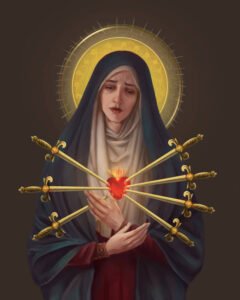 Our Lady of Sorrows (Mater Dolorosa) is a title of the Virgin Mary, emphasising her deep sorrow as the mother of Jesus during his Passion and death. This devotion, particularly significant in Catholic tradition, focuses on Mary’s suffering and offers profound spiritual lessons of compassion, perseverance, and love.
The devotion to Our Lady of Sorrows is rooted in the Gospels, highlighting seven events known as the Seven Sorrows of Mary:
- The Prophecy of Simeon (Luke 2:25-35)
- The Flight into Egypt (Matthew 2:13-15)
- The Loss of the Child Jesus in the Temple (Luke 2:41-50)
- Mary Meets Jesus on the Way to Calvary (Luke 23:27-31)
- The Crucifixion and Death of Jesus (John 19:25-30)
- The Body of Jesus is Taken Down from the Cross (Luke 23:50-54)
- The Burial of Jesus (Luke 23:55-56)
Each sorrow reflects the emotional and spiritual anguish Mary endured, offering believers an opportunity to meditate on her profound faith and resilience.
In Malta, the devotion to Our Lady of Sorrows (Il-Madonna tad-Duluri) is deeply ingrained in the Catholic tradition and is observed with great reverence, especially during Lent.
Celebrated on the Friday before Good Friday, it marks one of the most solemn days in the Maltese liturgical calendar. Processions featuring statues of the Mater Dolorosa are carried through towns and villages, accompanied by prayers, hymns, and acts of penance. These processions are emotional, drawing crowds who seek comfort and intercession from the Virgin Mary.
In Valletta, the Basilica of Our Lady of Sorrows is a focal point of devotion. It houses a revered statue of the Virgin Mary, dressed in black and symbolising her mourning.
Maltese art, music, and literature frequently depict the sorrowful Virgin, showcasing her central role in the island’s spirituality. Her image is often portrayed with a sword piercing her heart, symbolising her pain.
For centuries, Maltese Catholics have turned to Our Lady of Sorrows during times of hardship, such as wars, plagues, and personal trials. This makes the devotion not only a religious practice but also a cornerstone of national resilience.
Mary’s Unique Perspective
Mary is the only person who experienced Jesus’ life from beginning to end, from his miraculous birth to his painful death. Her unique vantage point makes her suffering profoundly relatable to mothers and families worldwide.
The devotion encourages believers to embrace suffering with faith, transforming pain into a source of grace and strength.
While the devotion is universal, each culture—including Malta—adds its unique flavour, making it a vibrant tapestry of faith and tradition.
Malta’s devotion to Our Lady of Sorrows has been a rallying point during moments of national crisis, particularly during the Great Siege of 1565 and World War II. Her intercession is believed to have protected the Maltese people in miraculous ways.
The Good Friday processions are unparalleled in their emotional depth, featuring dramatic reenactments of the Passion and the sorrowful Virgin, uniting the Maltese in collective reflection and prayer.
Our Lady of Sorrows serves as a beacon of hope and a powerful symbol of the transformative power of faith, making her devotion an integral and fascinating part of Maltese cultural and spiritual life.
