
Chapel of Our Lady of Porto Salvo
(Please allow a few seconds for the video to load)
Welcome to
“The Chapel of Our Lady of Porto Salvo” digital experience where history and technology intertwine to bring you something that is immersive and entertaining.
Explore the Chapel
Below, you will find a ‘Paywall’ feature, requesting you to make a donation to be able to enter the page.
Once you are in, you will find
360° Panorama
Zoom to full screen to view
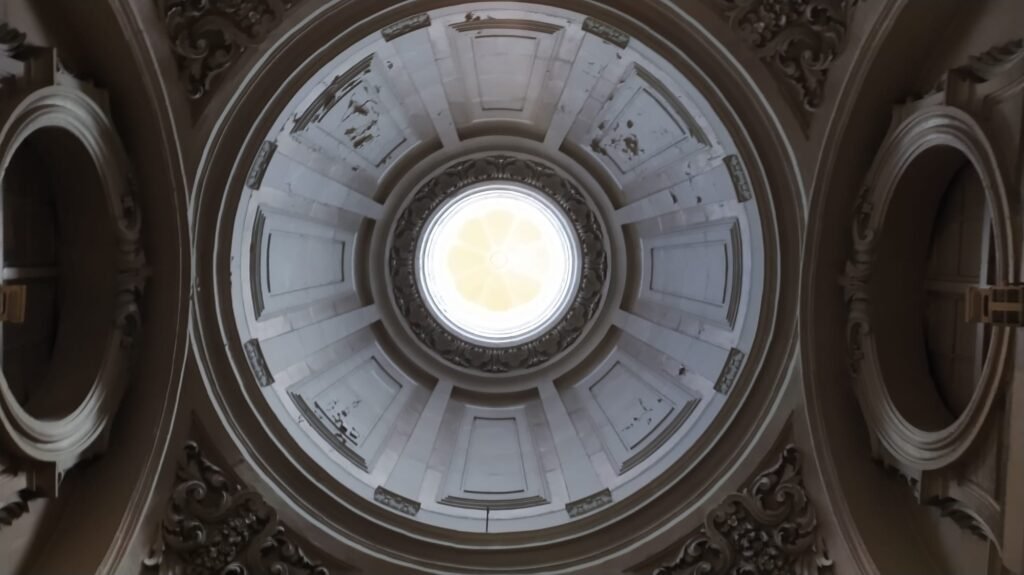
Chapel of Our Lady of Porto Salvo
The Chapel of Madonna tal-Portu Salvo, commonly known as “Ta’ Santu Nuzzu,” is a significant religious and cultural landmark in Ħamrun.
Historical Background
The chapel was inaugurated for worship in 1745, dedicated to the Madonna tal-Portu Salvu (Our Lady of Fair Havens). It served as a vice-parish for the local community until the construction of the Church of St. Cajetan. During World War II, the adjacent house provided refuge to the Discalced Carmelite friars from Cospicua after their church and convent were bombed.
Construction Details
While specific details about the construction costs and the individuals involved are scarce, the chapel’s architecture reflects the Baroque style prevalent in Malta during the 18th century. The façade features traditional Maltese limestone, with a modest yet elegant design characteristic of village chapels of that era.
Cultural and Religious Significance
The chapel has played a pivotal role in the spiritual life of Ħamrun’s residents. Before the establishment of larger parish churches, it was central to local religious practices, hosting regular Masses and community gatherings. Its dedication to Our Lady of Fair Havens underscores the maritime culture of Malta, invoking the Madonna’s protection for sailors and travellers.
Present-Day Context
Today, the chapel is primarily used for the adoration of the Holy Eucharist. It remains a cherished site for the community, reflecting the enduring devotion of the faithful. The chapel is listed among the churches in Ħamrun, indicating its continued relevance in the local ecclesiastical landscape.
Unique Stories or Legends
While specific legends associated with Ta’ Santu Nuzzu are not well-documented, its longstanding presence and role during wartime have cemented its status as a symbol of resilience and faith for the people of Ħamrun.
Visual and Artistic Features
The chapel’s interior is characterised by a simple yet reverent design. The main altar is dedicated to the Madonna tal-Portu Salvu, featuring an artistic representation of the Madonna. The use of local limestone and traditional Maltese architectural elements contribute to its serene ambiance.
In summary, the Chapel of Madonna tal-Portu Salvu (Ta’ Santu Nuzzu) stands as a testament to Ħamrun’s rich religious heritage, embodying the community’s historical devotion and cultural identity.
Our Lady of Porto Salvo: Protector of Mariners and Beacon of Hope
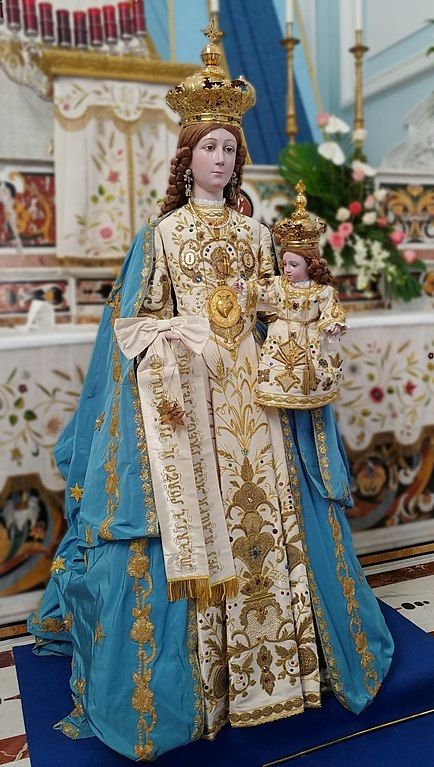 Our Lady of Porto Salvo, also known as Madonna di Porto Salvo, is a revered title of the Virgin Mary, particularly among maritime communities. She is often depicted holding the Infant Jesus, symbolising her role as a protector and guide for sailors and those traveling by sea.
One notable representation of Our Lady of Porto Salvo is found in Lampedusa, Agrigento, Sicily, Italy. The statue portrays the Virgin Mary adorned in blue and gold garments, cradling the Child Jesus. This depiction underscores her maternal care and the hope she offers to mariners seeking safe passage.
In Malta, the Basilica of Our Lady of Safe Haven and Saint Dominic, commonly known as the Church of St. Dominic, houses significant artworks dedicated to this devotion. The church, established in 1571, features various artistic representations that honour the Virgin Mary under the title of Porto Salvo.
For those interested in viewing images of Our Lady of Porto Salvo holding the Infant Jesus, the Wikimedia Commons category dedicated to this title offers a selection of related media.
These depictions not only highlight the artistic heritage associated with Our Lady of Porto Salvo but also reflect the deep-seated faith and reliance of maritime communities on her protection throughout history.
