
Chapel of Our Lady of Atocha
(Please allow a few seconds for the video to load)
Welcome to
“The Chapel of Our Lady of Atocha” digital experience where history and technology intertwine to bring you something that is immersive and entertaining.
Explore the Chapel
Below, you will find a ‘Paywall’ feature, requesting you to make a donation to be able to enter the page.
Once you are in, you will find
Support a Mission, Explore a Treasure
Your entry helps Missio Malta continue their vital work in missionary lands overseas. By donating, you directly support communities in need while gaining 24-hour full access to this chapel's 3D experience and history.
Learn more about Missio's workAccess is valid for 1 Chapel for 24 hours from the time of donation
OR
360° Panorama
Zoom to full screen to view
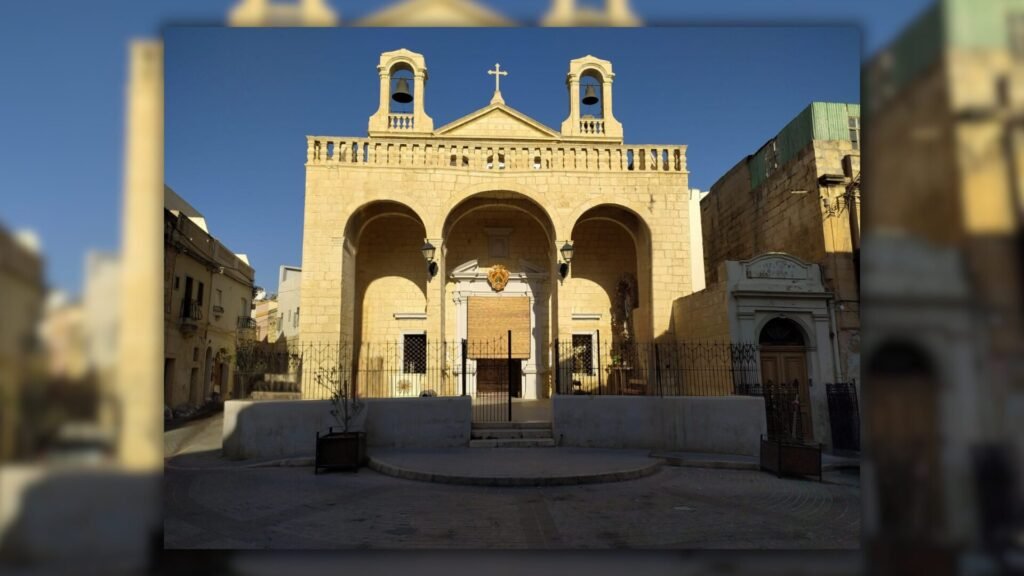
Chapel of Our Lady of Atocha
The Chapel of Madonna tas-Samra, officially known as the Church of Our Lady of Atocia, stands as a significant religious and cultural landmark in Ħamrun. Its rich history, architectural features, and enduring cultural relevance offer a profound insight into Malta’s ecclesiastical heritage.
- Historical Background
The origins of the Chapel of Madonna tas-Samra date back to the early 17th century. In 1603, Giuseppe Casauri, a merchant from Birgu (Vittoriosa), acquired a painting of Our Lady of Atocia during his travels to Spain. This painting depicted the Virgin Mary with a dark complexion, leading to the Maltese appellation “Madonna tas-Samra,” meaning “the Dark Madonna.” Casauri and his wife, Isabella, who had a deep devotion to the Virgin Mary—stemming from Isabella’s miraculous survival during the Great Siege of 1565—sought to enshrine the painting in a dedicated place of worship. They chose to rebuild a dilapidated chapel on Braxia Hill, originally dedicated to St. Nicholas of Bari. The reconstructed chapel was completed and consecrated in 1630, dedicated to Our Lady of Atocia.
- Construction Details
While specific financial records of the chapel’s construction are scarce, it is documented that Giuseppe and Isabella Casauri personally funded the rebuilding efforts. The architectural style of the chapel reflects the Baroque influences prevalent in Malta during the 17th century, characterised by a single-nave structure and a modest façade. The interior features arched niches adorned with columns, housing altars dedicated to various saints, including St. Lawrence, St. Nicholas of Bari, St. Joseph and the Holy Family, and St. Carlo Borromeo. Notably, the chapel houses paintings by the French knight Fra Antoine Favray (1706–1798) and the Gozitan artist Paul Camilleri Cauchi (born 1940).
- Cultural and Religious Significance
The Chapel of Madonna tas-Samra holds a prominent place in Maltese religious life. During the French blockade of 1798–1800, Maltese insurgents established a battery near the chapel, utilising its strategic location on Atocia Hill to oversee the Floriana Lines and the Grand Harbour. This site, known as Tas-Samra Battery, played a crucial role in the Maltese resistance against French forces.
The chapel has been a focal point for local religious practices, with annual feasts and processions dedicated to the Madonna tas-Samra, reflecting its deep-rooted significance in the community’s spiritual life.
- Present-Day Context
Today, the Chapel of Madonna tas-Samra remains an active place of worship and a cherished historical monument. Recent conservation efforts, co-funded by the European Union, have focused on preserving the chapel’s structural integrity and aesthetic qualities, addressing deterioration caused by weathering and pollutants. These interventions aim to ensure the long-term protection and enjoyment of this historic building within the heart of the community.
- Unique Stories or Legends
A notable legend associated with the chapel involves Isabella Casauri’s miraculous survival during the Great Siege of 1565. As an infant, she was buried under the rubble of her collapsed home during the Ottoman attacks. Against all odds, she was found alive, an event attributed to the intercession of the Virgin Mary. This profound experience fuelled her lifelong devotion and led to the establishment of the chapel dedicated to Our Lady of Atocia.
- Visual and Artistic Features
The chapel’s interior is adorned with several notable artworks. The high altar features a painting of Our Lady of Atocia, a faithful replica of the mid-16th-century original found in Madrid. This painting, brought to Malta in 1630, portrays the Virgin Mary with a dark complexion, earning the chapel its local name, “tas-Samra.” The interior also houses paintings by Fra Antoine Favray and Paul Camilleri Cauchi, contributing to the chapel’s rich artistic heritage. The altars are placed in deep arched niches, adorned with pairs of columns, enhancing the chapel’s Baroque aesthetic.
In summary, the Chapel of Madonna tas-Samra stands as a testament to Malta’s rich religious and cultural history. Its origins, architectural features, and enduring significance continue to inspire devotion and admiration among locals and visitors alike.
Our Lady of Atocha: A Timeless Icon of Faith, Miracles, and Devotion
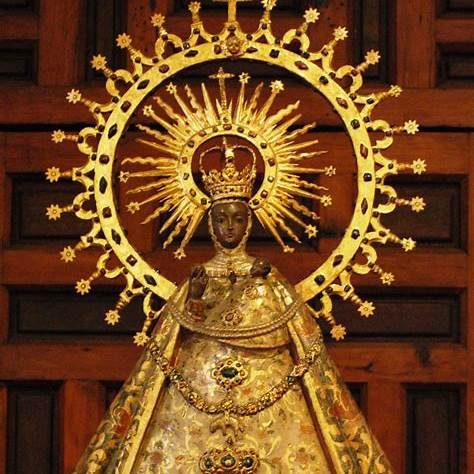
Our Lady of Atocha, or Nuestra Señora de Atocha, is a revered Marian figure with deep historical and cultural significance, particularly in Spain and Latin America. The devotion to Our Lady of Atocha centres around a statue of the Virgin Mary and the Christ Child, historically enshrined in Madrid’s Royal Basilica of Our Lady of Atocha.
Origins and Historical Significance
The origins of the Atocha devotion are somewhat enigmatic. Some suggest that “Atocha” is a Spanish contraction of “Theotokos,” meaning “Mother of God,” while others believe it derives from “Antiocha,” indicating a connection to Antioch. Another theory links the name to the Spanish word “atocha,” referring to a type of grass that once grew abundantly in the area where the original hermitage stood.
The statue itself is a small wooden sculpture, approximately 60 centimetres in height, depicting the Virgin Mary seated with the Christ Child on her left knee. The Virgin holds an apple in her right hand, symbolising the new Eve, while the Child raises His hand in blessing. The image is noted for its dark complexion, described as “moreno oscuro, casi negro,” and is considered one of the oldest Marian images in Madrid, dating back to the 12th or 13th century.
Cultural Impact and Devotion
Our Lady of Atocha has been deeply venerated by Spanish royalty and commoners alike. Monarchs such as Charles V and Philip II sought her intercession, and she was often invoked during times of plague, war, and other crises. The basilica housing the statue became a significant pilgrimage site, with devotees attributing numerous miracles to her intercession.
The devotion to Our Lady of Atocha also spread to the Americas, particularly Mexico, where a statue known as the Santo Niño de Atocha became associated with miraculous interventions, especially aiding those in dire circumstances. This image depicts the Christ Child dressed as a pilgrim, holding a basket and a staff, symbolizing provision and guidance.
Legends and Miracles
One of the most enduring legends associated with Our Lady of Atocha involves Christians imprisoned by Moors, who were miraculously sustained by a child believed to be the Christ Child from the statue. This narrative reinforced the image of the Santo Niño de Atocha as a protector and provider, especially for those unjustly imprisoned or in desperate need.
Modern-Day Veneration
Today, the Royal Basilica of Our Lady of Atocha in Madrid remains a vital centre of Marian devotion. The basilica has undergone several reconstructions, notably after being destroyed during the Spanish Civil War and later rebuilt, with the current structure completed in 1951. The image of Our Lady of Atocha continues to be a symbol of faith and resilience, attracting pilgrims and devotees from around the world.
In summary, the story of Our Lady of Atocha intertwines history, legend, and deep religious devotion, reflecting the enduring significance of Marian images in the cultural and spiritual life of the Spanish-speaking world.
