
Chapel of Our Lady of Loreto
(Please allow a few seconds for the video to load)
Welcome to
“The Chapel of Our Lady of Loreto” digital experience where history and technology intertwine to bring you an immersive experience.
Explore the Chapel
Below, you will find a ‘Paywall’ feature, requesting you to make a donation to be able to enter the page.
Once you are in, you will find
Support a Mission, Explore a Treasure
Your entry helps Missio Malta continue their vital work in missionary lands overseas. By donating, you directly support communities in need while gaining 24-hour full access to this chapel's 3D experience and history.
Learn more about Missio's workAccess is valid for 1 Chapel for 24 hours from the time of donation
OR
360° Panorama
Zoom to full screen to view
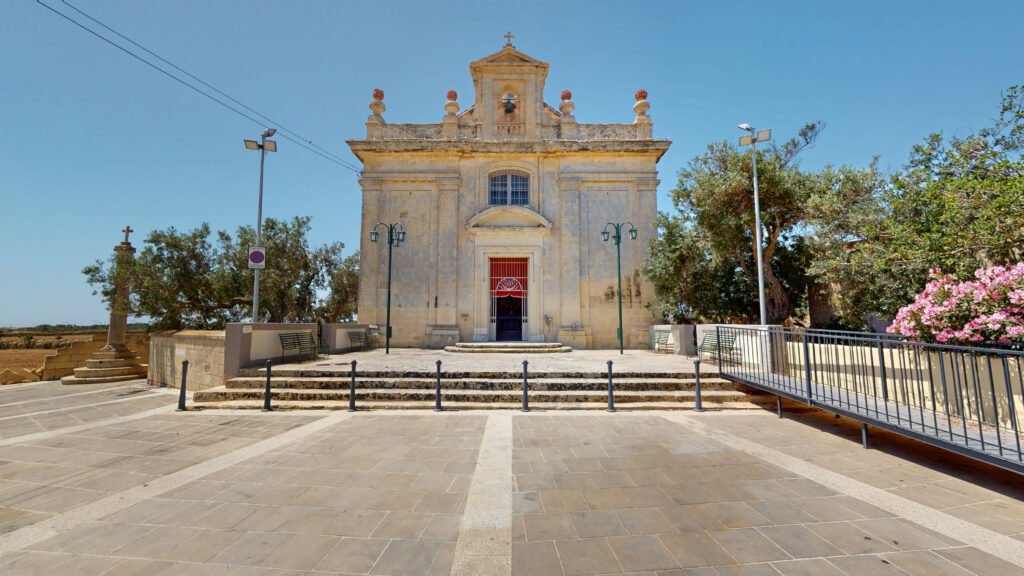
Chapel of Our Lady of Loretu
Historical Background
The Our Lady of Loretu Chapel in Gudja dates back to the early 17th century, a period when rural chapels were being established across Malta to serve dispersed farming communities. It was likely commissioned by a local noble family or ecclesiastical benefactor devoted to the cult of Our Lady of Loreto, which had spread widely across Europe following the fame of the Holy House of Loreto in Italy. The chapel’s purpose was to provide a nearby place of worship for villagers who otherwise had to travel to parish churches.
Construction Details
Built using traditional Maltese limestone, the chapel reflects a restrained Baroque influence typical of smaller devotional buildings of its era. The structure is modest in scale, suggesting it was funded privately rather than through large ecclesiastical patronage. While specific construction costs and named architects are not recorded, local мастri (master builders) and artisans would have carried out the work using established techniques. Its simple rectangular plan, symmetrical façade, and central doorway topped by a small pediment are characteristic features. No major construction incidents are documented, indicating a relatively straightforward build.
Cultural and Religious Significance
Dedication to Our Lady of Loreto connects the chapel to a broader Mediterranean devotion centred on protection, travel, and the home. In Gudja, it historically served as a focal point for local prayer, particularly among agricultural families seeking divine protection. Though not a major pilgrimage site, it contributed to Malta’s dense network of chapels that reinforced daily religious life and community identity. Occasional feast-related prayers and Marian devotions would have taken place here, strengthening its local relevance.
Present-Day Context
Today, the chapel remains part of Gudja’s cultural landscape, though it is not always open for regular services. It is maintained as a heritage structure, reflecting Malta’s commitment to preserving its ecclesiastical architecture. Periodic restoration efforts have ensured the stability of its stonework and interior features. It continues to be appreciated by locals and visitors interested in Malta’s religious heritage and village history.
Unique Stories or Legends
While no major legends are firmly documented, chapels dedicated to Our Lady of Loreto often carried associations with miraculous protection of homes and travellers. Local oral tradition suggests that villagers would visit the chapel during times of hardship, particularly to seek intercession for safe journeys or protection from misfortune.
Visual and Artistic Features
The façade is understated yet elegant, with clean stone lines and minimal ornamentation. Inside, the focal point is the altar dedicated to the Virgin Mary, often featuring a painting or statue inspired by the Loreto tradition. The interior is intimate, with soft natural light enhancing its devotional atmosphere. Decorative elements are modest, reflecting its role as a rural chapel rather than a grand church.
The story of Our Lady of Loreto
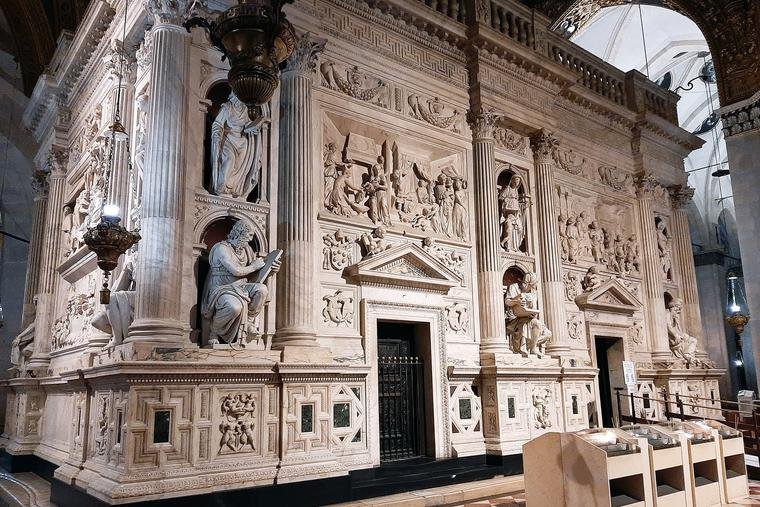
Unlike most other Marian feast days, Our Lady of Loreto doesn’t refer to an apparition or a Marian title. It refers to a building. Specifically, it refers to the humble home in which Mary grew up and the extraordinary measures God took to preserve it.
The story of Our Lady of Loreto is steeped in legend and historical significance. According to tradition, the Holy House of Loreto is believed to be the very home where the Annunciation took place, where the Angel Gabriel visited Mary and announced that she would conceive Jesus. The house is said to have been transported miraculously from Nazareth to Loreto, Italy, to protect it from destruction.
Historical records suggest that the Holy House originally stood in Nazareth, where it was a place of veneration for early Christians. However, during the Crusades in the 13th century, the Holy Land faced considerable turmoil, leading to the relocation of significant religious sites. It’s during this time that the belief in the transportation of the Holy House gained traction.
The House’s alleged journey from Nazareth to Loreto is a fascinating aspect of this legend. The accounts tell of angels moving the structure first to a hill in Croatia (then part of the Kingdom of Hungary) called Recanati, and then miraculously to its current location in Loreto, Italy, in 1291. This incredible migration, as per tradition, was witnessed by several people along its route.
The phenomenon of the Holy House of Loreto drew pilgrims and believers from various parts of Europe, contributing to Loreto becoming a significant pilgrimage site. Popes over centuries have affirmed its authenticity, and it became a focal point for Marian devotion. Pope Clement VII declared Loreto a holy city in 1510, and subsequent popes further promoted its veneration.
The Basilica of the Holy House in Loreto was constructed around the Holy House itself, providing a place for worship and pilgrimage. The architectural marvel of the basilica, designed by renowned architects like Donato Bramante and Andrea Sansovino, stands as a testament to the reverence attached to this revered dwelling.
While historical evidence regarding the actual transportation of the Holy House remains inconclusive, the devotion and significance attached to Our Lady of Loreto have endured through centuries. The story represents a deep reverence for the life of the Virgin Mary and the pivotal role she plays in Christianity. Today, pilgrims from around the world continue to visit Loreto, making it a testament to enduring faith and devotion.
