
Chapel of Saint Catherine
(Please allow a few seconds for the video to load)
Welcome to
“The Chapel of Saint Catherine” digital experience where history and technology intertwine to bring you something that is immersive and entertaining.
Explore the Chapel
Below, you will find a ‘Paywall’ feature, requesting you to make a donation to be able to enter the page.
Once you are in, you will find
Support a Mission, Explore a Treasure
Your entry helps Missio Malta continue their vital work in missionary lands overseas. By donating, you directly support communities in need while gaining 24-hour full access to this chapel's 3D experience and history.
Learn more about Missio's workAccess is valid for 1 Chapel for 24 hours from the time of donation
OR
360° Panorama
Zoom to full screen to view
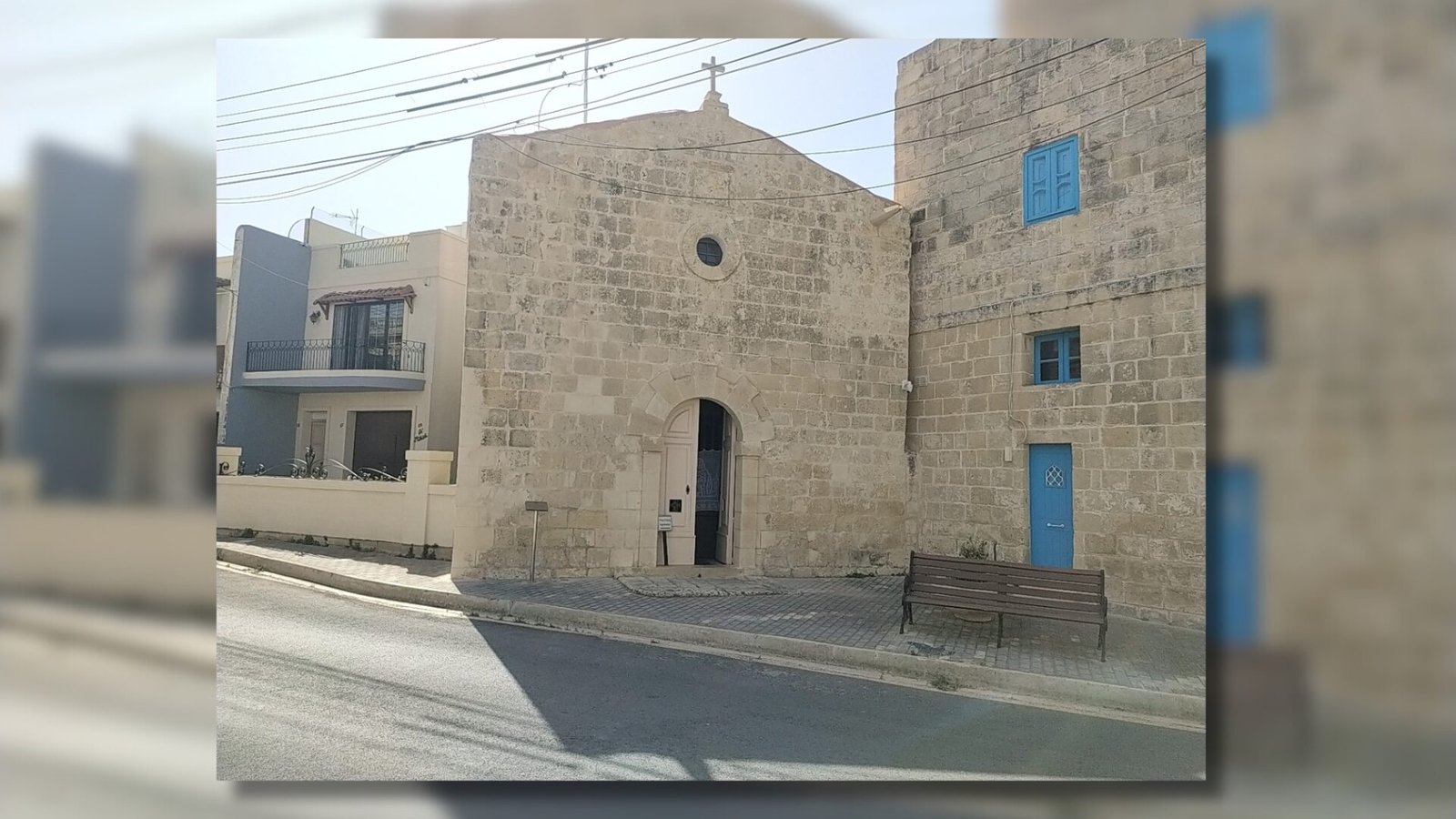
Chapel of Saint Catherine
The Chapel of St. Catherine (Santa Katerina) in Gudja, Malta, is a notable example of 17th-century rural ecclesiastical architecture. Situated along the village’s central street, this chapel has served as a place of worship and community gathering for centuries.
Historical Background
The current chapel was constructed in 1631, replacing an earlier structure built in 1562. The original chapel was established on land provided by Bishop Baldassare Cagliares on May 30, 1562, who also endowed it with resources to ensure its maintenance. This earlier chapel served the local community until it was deemed necessary to build a more substantial structure, leading to the erection of the present chapel in the early 17th century.
Construction Details
While specific details regarding the construction costs and the individuals involved in the building of the chapel are scarce, the architectural style is indicative of the period’s rural ecclesiastical design. The chapel features a rectangular layout with a slightly pitched roof, facilitating rainwater runoff through characteristic projecting waterspouts. This design is both functional and emblematic of the era’s architectural practices.
Cultural and Religious Significance
Throughout its history, the Chapel of St. Catherine has played a vital role in the spiritual life of Gudja’s residents. It has been a site for regular worship and community events, particularly those honouring its patron saint, St. Catherine of Alexandria. The chapel’s enduring presence underscores its importance in maintaining local religious traditions and fostering a sense of community identity.
Present-Day Context
In recent years, the chapel has undergone restoration efforts to preserve its historical and architectural integrity. Notably, in 2021, the chapel was restored and reopened to the public, allowing both locals and visitors to appreciate its historical significance. Additionally, the chapel hosts activities related to the feast of St. Catherine, celebrated annually on November 25th, thereby continuing its role as a focal point for community and religious gatherings.
Unique Stories or Legends
While specific legends or folklore directly associated with the Chapel of St. Catherine in Gudja are not well-documented, the chapel’s long-standing presence and dedication to St. Catherine of Alexandria—a saint venerated for her wisdom and martyrdom—may have inspired local traditions and stories celebrating her legacy.
Visual and Artistic Features
The chapel’s interior is characterised by its simplicity, reflecting the austere aesthetic typical of rural chapels of its time. The main altar is adorned with a titular painting depicting St. Catherine holding the palm of martyrdom in one hand and a sword in the other, symbolising her faith and sacrifice. This artwork serves as a focal point within the chapel, enhancing its spiritual ambiance.
Saint Catherine of Alexandria: The Scholar, Princess, and Martyr.
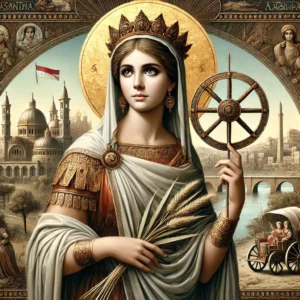
Saint Catherine of Alexandria, one of the most revered early Christian martyrs, is believed to have lived during the reign of Emperor Maxentius in the early 4th century. Born in Alexandria, Egypt—a prominent intellectual and cultural hub of the ancient world—Catherine is traditionally described as a young woman of exceptional beauty, intelligence, and noble lineage, possibly a princess. Her early education exposed her to the philosophies and sciences of the time, making her a respected scholar even in her youth.
At around the age of 14, Catherine reportedly experienced a profound spiritual awakening that led her to embrace Christianity. Her conversion is said to have been inspired by visions of the Virgin Mary and the Christ child, who promised her spiritual union with Christ. Following her conversion, Catherine committed herself to living out her newfound faith despite the risk it posed under Roman rule, where Christians were heavily persecuted.
Catherine’s defining act of defiance came when she confronted Emperor Maxentius directly, condemning his brutal persecution of Christians and his worship of pagan gods. Tradition holds that Catherine eloquently debated the emperor and his court philosophers, so convincingly that several of his scholars and advisors converted to Christianity on the spot. Enraged, Maxentius ordered their execution and turned his wrath on Catherine.
According to legend, Maxentius attempted to dissuade Catherine by offering her wealth, power, and even marriage, but she steadfastly refused, declaring her devotion to Christ as her true bridegroom. In retaliation, the emperor ordered her torture and imprisonment. One of the most famous elements of her story is her association with the breaking wheel, a device meant to execute her. Miraculously, when Catherine touched the wheel, it is said to have shattered into pieces, further enraging the emperor. She was ultimately beheaded, cementing her status as a martyr for her faith.
Saint Catherine’s martyrdom is seen as a powerful symbol of courage, wisdom, and unyielding faith in the face of persecution. Her story inspired widespread devotion across Christendom, and she became one of the most venerated saints of the medieval period. She is often depicted holding a wheel (symbolising her attempted execution), a sword (symbolising her beheading), and a palm branch (symbolising her martyrdom). Her feast day is celebrated on November 25.
Catherine’s legacy endures not only in her spiritual impact but also in her role as the patron saint of philosophers, scholars, and young women. Her intellectual bravery and spiritual conviction have inspired countless individuals and communities, including those in Malta, where she remains a beloved figure celebrated in churches and traditions dedicated to her memory.
