
Chapel of St. George Martyr
(Please allow a few seconds for the video to load)
Welcome to
“The Chapel of St. George the Martyr” digital experience where history and technology intertwine to bring you an immersive experience.
Explore the Chapel
Below, you will find a ‘Paywall’ feature, requesting you to make a donation to be able to enter the page.
Once you are in, you will find
Support a Mission, Explore a Treasure
Your entry helps Missio Malta continue their vital work in missionary lands overseas. By donating, you directly support communities in need while gaining 24-hour full access to this chapel's 3D experience and history.
Learn more about Missio's workAccess is valid for 1 Chapel for 24 hours from the time of donation
OR
360° Panorama
Zoom to full screen to view
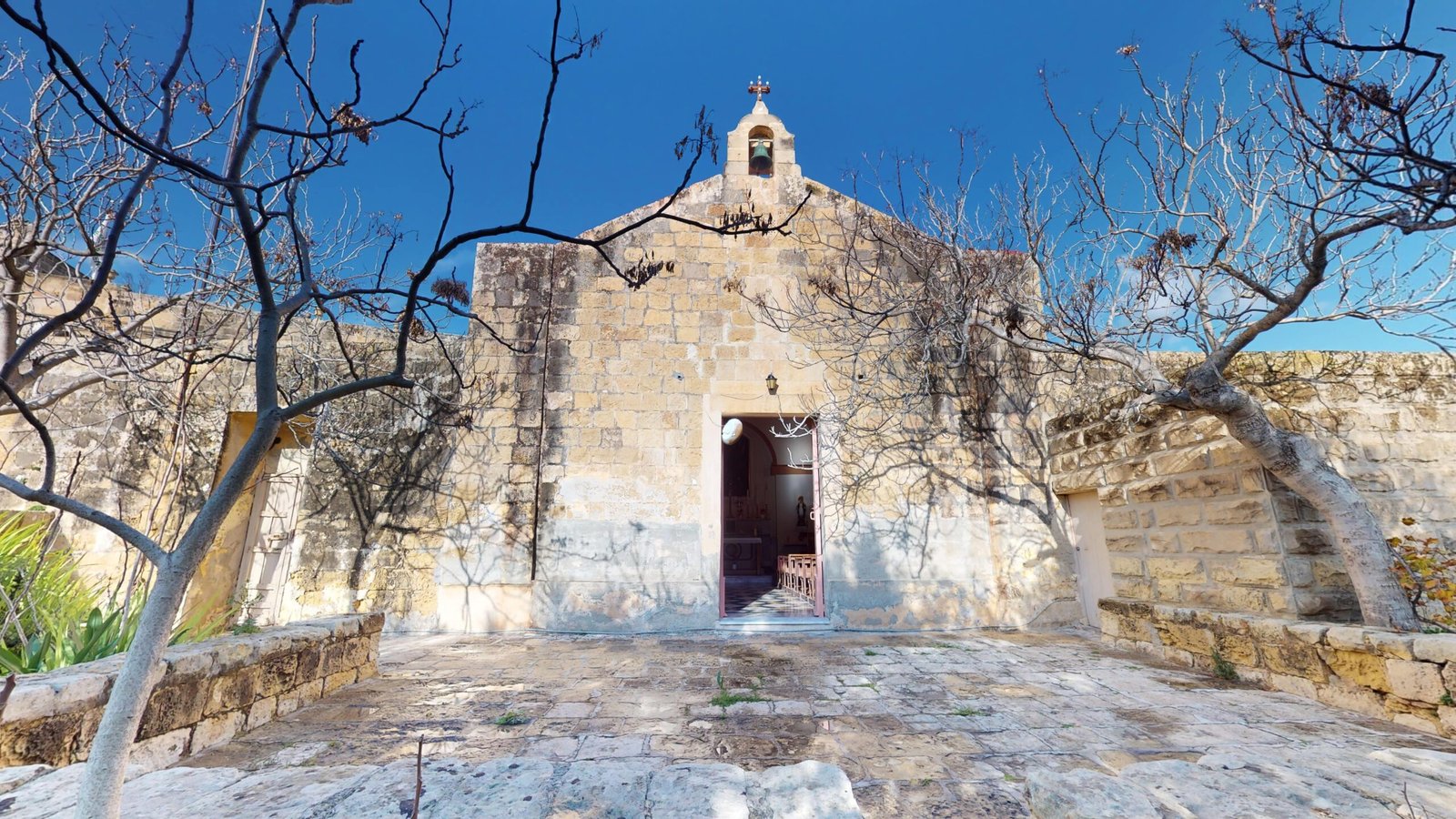
The mediaeval chapel of St. George the Martyr, situated in close proximity to the San Ġorġ beach in Birżebbuġa, holds the distinction of being the most ancient chapel in the village. The precise year of construction remains unknown; nonetheless, certain sources provide indications of its antiquity.
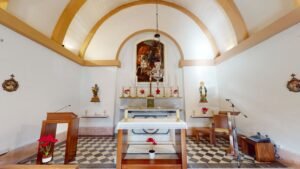 Evidence of this can be found in one of Matteo Perez d’Aleccio’s murals that portrays the Great Siege of 1565. This particular fresco is housed at the President’s Palace, situated in Valletta.
The construction of the church was accompanied by its connection to Marsaxlokk. The initial pastoral visit was conducted by Monsignor Pietro Duzzina in the year 1575. During that particular period, the chapel was furnished with only a stone altar and a wooden door. The institution lacked a designated priest to oversee its affairs and was devoid of any sources of financial revenue. The commemoration of St. George was observed on the 23rd of April by the conduct of religious services including masses, communion, and vespers.
Throughout the course of the year, a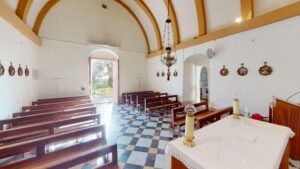 collection was gathered in order to facilitate these festivities. In addition to the designated feast day, the celebration of the mass was regularly observed by individuals who held a deep reverence for St. George, as well as those who were tasked with safeguarding the coastal regions from pirate incursions. During the historical period characterised by the presence of the Knights of St. John, sailors also partook in the observance of mass prior to their departure from the port.
During the year 1621, Bishop Baldasar Cagliares conducted a visit to the Chapel and issued an order for its restoration due to its state of decay. Numerous individuals volunteered their assistance in the repair of the Chapel, culminating in the successful completion of the project in the year 1625. The Chapel was inaugurated by Palmerus Montana J.U.D., and in order to commemorate its significance, a plaque was affixed to the entrance, which remains in place to this day.
St. George the Great Martyr
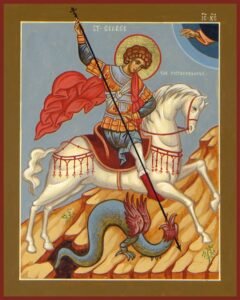 Saint George the Great Martyr and Trophy-Bearer was born around the year 275 AD in Cappadocia to Christian parents. When he turned 18 years old, he enlisted in the Roman army, where quickly he rose to its highest ranks.
Despite the glory and honours afforded him, he preached the truth of the Christian religion and the Divinity of Christ. At the same time, he did not hesitate to give up everything and confess his faith before the Emperor Diocletian and other leaders. He endured many horrible tortures and was finally martyred by beheading. His remains, together with that of his mother, were taken to Lod in Israel where he was buried. Eventually, the Crusaders took them to the West.
Saint George worked many miracles, and many churches have been built in his honour. His memory is usually celebrated on the 23rd of April, except in cases where Pascha (Passover) is before this date, in which case his feast is moved to Bright Monday.
Saint George the Great Martyr is the patron saint of the Greek Army and England. From the 12th century onwards, he is usually depicted slaying the dragon, a depiction that carries many different approaches.
