
Chapel of St. Edward’s College
(Please allow a few seconds for the video to load)
Welcome to
“The Chapel of St. Edward’s” digital experience where history and technology intertwine to bring you an immersive experience.
Explore the Chapel
Below, you will find a ‘Paywall’ feature, requesting you to make a donation to be able to enter the page.
Once you are in, you will find
Support a Mission, Explore a Treasure
Your entry helps Missio Malta continue their vital work in missionary lands overseas. By donating, you directly support communities in need while gaining 24-hour full access to this chapel's 3D experience and history.
Learn more about Missio's workAccess is valid for 1 Chapel for 24 hours from the time of donation
OR
360° Panorama
Zoom to full screen to view
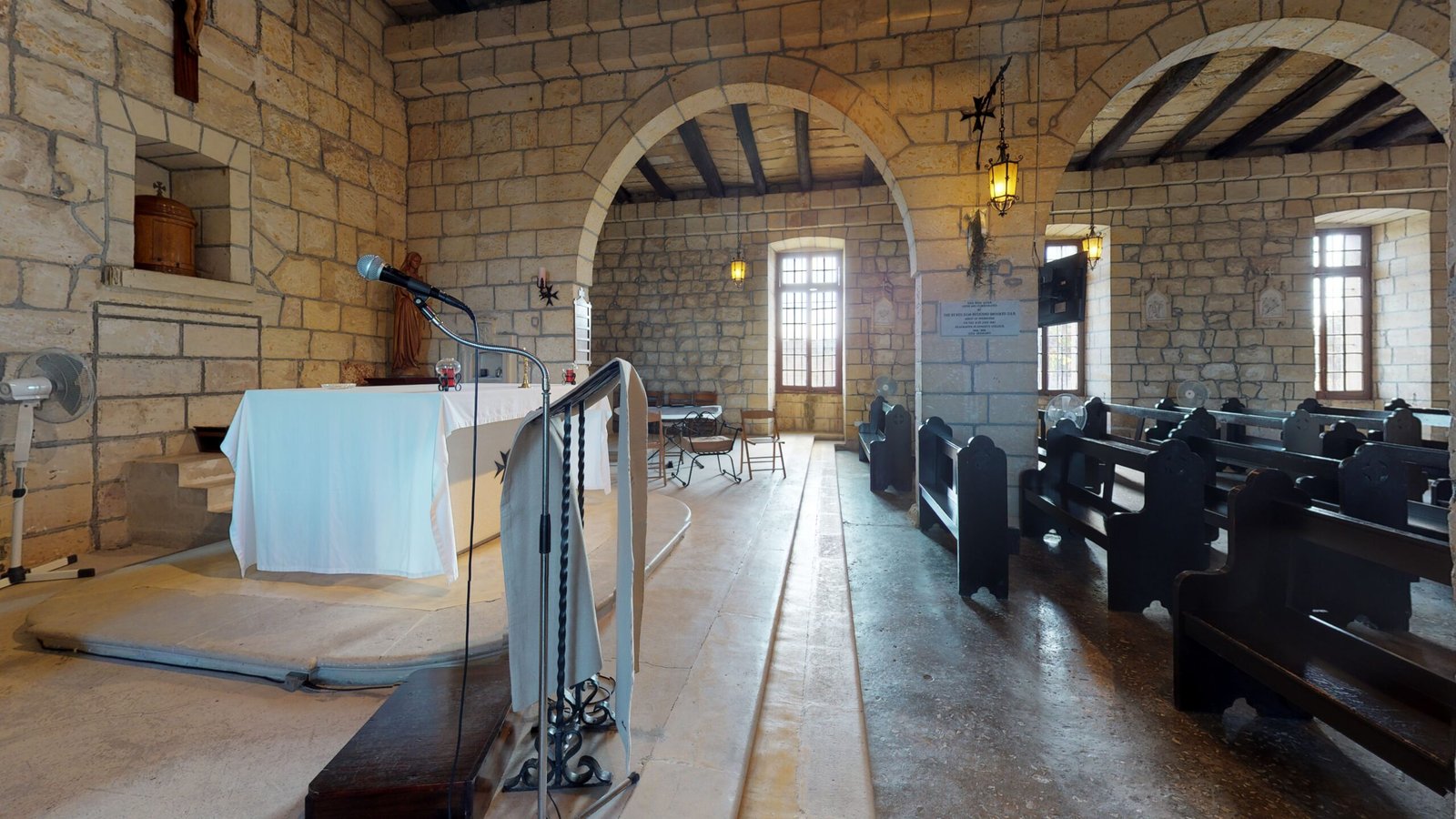
St. Edward’s Chapel is an important historical and religious landmark located within St. Edward’s College in Malta. The chapel has a rich history that is closely tied to the history of the college.
St. Edward’s College was established in 1903 by the Society of Jesus (Jesuits) in Malta, and the chapel was an integral part of the institution from the very beginning. The chapel is named after St. Edward the Confessor, the patron saint of the college. It serves as a place of worship, prayer, and spiritual reflection for the college community.
The chapel is known for its beautiful and ornate interior, featuring stained glass windows, religious artwork, and intricate decorations. It has been the site of countless religious ceremonies, including Masses and other religious celebrations over the years. The chapel’s architecture and design reflect the Catholic faith and the historical significance of the college.
Throughout its history, St. Edward’s Chapel has played a central role in the spiritual and educational life of the college. It has been a place where students, faculty, and visitors to the College can come together to worship and seek spiritual guidance.
St. Edward’s College itself has a long and distinguished history as one of Malta’s prominent educational institutions. The college has provided education to generations of Maltese and global students and has a strong commitment to academic excellence and character development.
St. Edward’s Chapel continues to be an important part of St. Edward’s College and continues to serve as a place of worship and spiritual significance for the college community.
St. Edward the Confessor
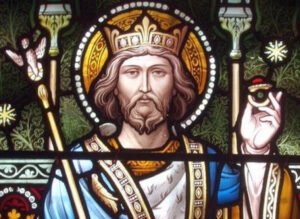
St. Edward the Confessor was born in 1003 at Islip, Oxfordshire, to Saxon king Ethelred III and Norman queen Emma. War, invasion, and mediaeval European hardships beset England during this time.
After the Danish invaders conquered England and married their widowed mother to Canute, head of the invaders, Edward and Alfred were sent to Normandy with their uncle at age eleven. Edward abandoned his ambitions to become king of England and instead “spent his time assisting at Mass and the church offices, and in association with the religious.” This made the next English king pious and Church-dedicated. Edward even swore to celibacy throughout his life.
Edward was God’s special emissary and Church protector as king by divine right. He was canonised due to his deep religious beliefs.
Many holy people are recommended as Church saints. Very few achieve this. Edward had wonderful timing and loyal fans, but he was also a deserving candidate. Along with his pious Christian leadership, like John the Almsgiver, he performed many miracles in this life and the next. Edward supposedly prophesied. Several times, he foretold combat or royal outcomes. His vision of Svein junior, king of Denmark, drowning while invading England is most notable. Edward and Earl Leofric of Mercia reportedly saw Christ at Westminster Mass. Edward’s miracles include additional colourful narratives. St. Peter, to whom Edward was devout, ordered Edward to carry Gillomichael, an Irish cripple, from his palace to Westminster abbey on his back to cure him. The miracle of Edward giving St. John the Evangelist his ring is the most famous and illustrated. In the story, Edward offers a ring to a beggar who is St. John while dedicating a chapel to him. The ring was returned to Edward by travellers lost on the route to Jerusalem and directed by St. John.
