
Chapel of The Annunciation of Our Lady
(Please allow a few seconds for the video to load)
Welcome to
“The Chapel of The Annunciation of Our Lady” digital experience where history and technology intertwine to bring you something that is immersive and entertaining.
Explore the Chapel
Below, you will find a ‘Paywall’ feature, requesting you to make a donation to be able to enter the page.
Once you are in, you will find
Support a Mission, Explore a Treasure
Your entry helps Missio Malta continue their vital work in missionary lands overseas. By donating, you directly support communities in need while gaining 24-hour full access to this chapel's 3D experience and history.
Learn more about Missio's workAccess is valid for 1 Chapel for 24 hours from the time of donation
OR
360° Panorama
Zoom to full screen to view
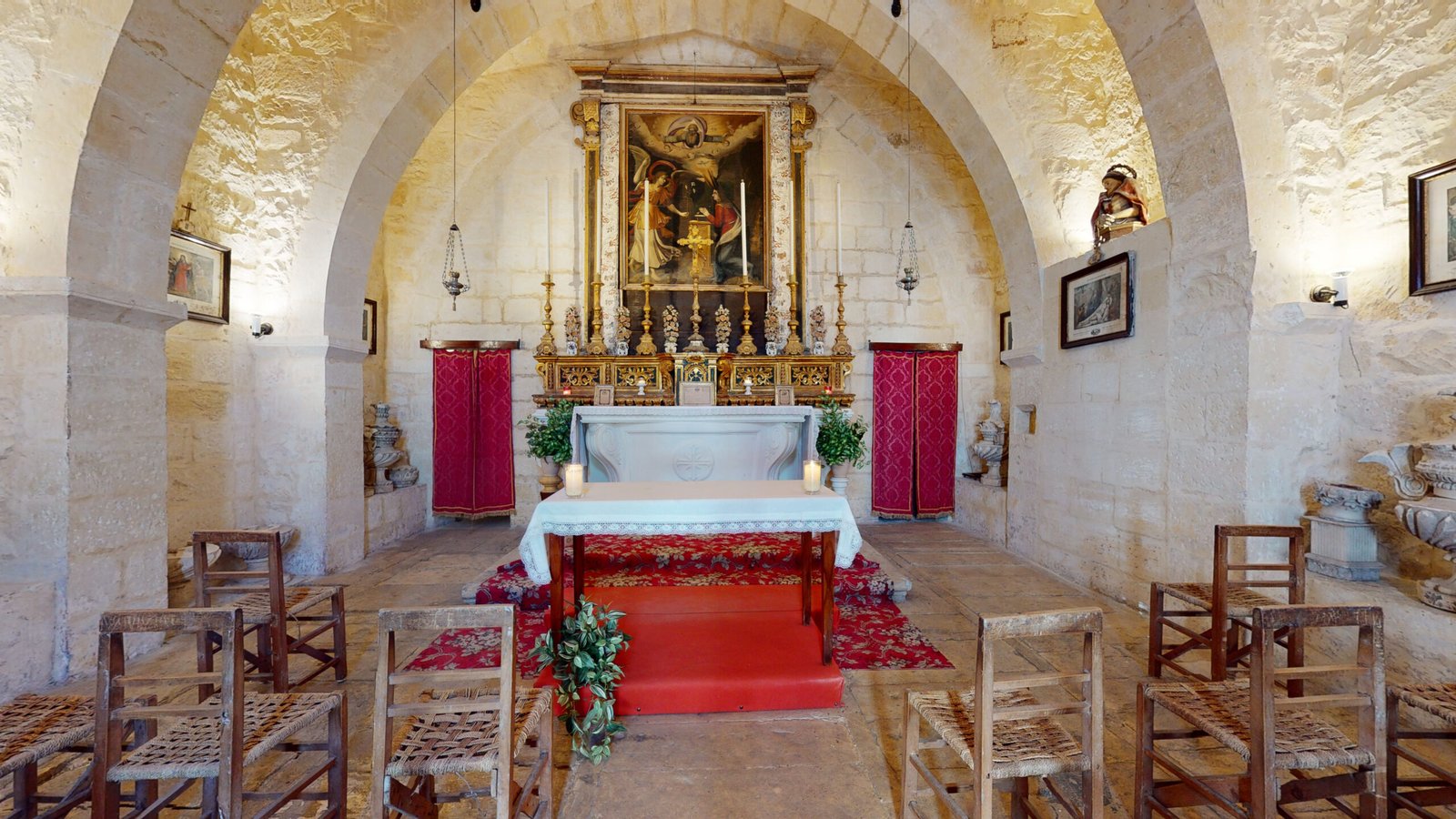
In the charming streets of Balzan, the Chapel of the Annunciation stands as a testament to the island’s rich architectural and artistic heritage. Dedicated to the momentous event of the Annunciation of Our Lady, the chapel exudes an aura of serenity and devotion, attracting visitors seeking spiritual solace and appreciation of Malta’s artistic legacy.
The Chapel of the Annunciation captivates with its elegant Baroque style, characterised by harmonious proportions, intricate stuccowork, and a small bell tower. Upon entering the chapel, one is immediately struck by the grandeur of the interior, adorned with a symphony of artistic masterpieces.
The focal point of the chapel is undoubtedly the altarpiece, a masterpiece of Baroque artistry. Painted in 1837 by renowned Maltese artist Giuseppe Hyzler, the altarpiece depicts the pivotal moment when the Angel Gabriel appeared to the Virgin Mary, conveying the divine news of her Immaculate Conception. The painting’s realism and profound spiritual sentiment have made it a cherished piece of Baroque art in Malta. Hyzler’s masterful use of light and shadow, along with his ability to convey both reverence and emotion, elevates the painting to a level of artistic excellence.
The chapel’s stuccowork is another notable feature, adding a touch of opulence and grandeur to the interior. The intricate patterns and motifs adorning the walls and ceilings create a sense of awe and wonder, enhancing the chapel’s overall aesthetic appeal.
The altar beneath the titular painting is a grand Baroque structure carved from exquisite marble. The altar’s intricate design, adorned with gilded ornaments and statues of angels, complements the painting perfectly, creating a sense of grandeur and devotion.
The history of the Chapel of the Annunciation dates back to the mid-18th century, when the flourishing village of Balzan sought to establish its own parish church. In 1655, Balzan gained independence from the nearby parish of Żebbuġ, and plans were drawn up for a new church dedicated to the Annunciation of Our Lady.
The cornerstone of the new church was laid on December 23, 1669, marking the beginning of its construction. The task of designing the church was entrusted to Maltese architect Pietro Francesco Buonamici, who envisioned a grand edifice in the Baroque style.
Despite setbacks and delays, the church was completed in 1695. However, it was not until 1781 that the church was consecrated by Bishop Vincenzo Labini, marking its official establishment as the parish church of Balzan.
Today, the Chapel of the Annunciation stands as a beacon of faith and artistic heritage in Balzan. Its doors remain open to visitors, locals, and worshippers alike, offering a sanctuary of serenity and a glimpse into Malta’s rich cultural legacy. The chapel continues to serve as a reminder of the profound influence of Christianity on Maltese society, preserving the legacy of craftsmanship and spiritual devotion that has characterized the island’s history.
The Annunciation
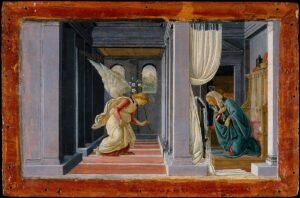 The Annunciation of Our Lady, a pivotal event in Christian theology, commemorates the moment when the Archangel Gabriel announced to the Virgin Mary that she would conceive the Son of God. This biblical episode is primarily documented in the Gospel of Luke (1:26-38), portraying Mary’s humble acceptance of her divine role. Historically, the Annunciation has been a frequent subject in Christian art, literature, and theology, reflecting its profound significance.
Religiously, the Annunciation holds paramount importance as it marks the incarnation of Jesus Christ, the central tenet of Christian faith. Mary’s consent to become the mother of the Savior underscores themes of obedience, faith, and the intertwining of the human and divine. The event is pivotal in the narrative of salvation, bridging the Old and New Testaments.
Artistically, the Annunciation has inspired countless masterpieces, showcasing the angelic visitation and Mary’s contemplative response. The scene often includes symbolic elements such as lilies symbolizing purity and the Holy Spirit represented by a dove. Overall, the Annunciation stands as a profound moment in Christianity, encapsulating the divine plan for redemption and serving as a source of contemplation and inspiration for believers throughout history.
