
Chapel of Our Lady of Sorrows – Mqabba
(Please allow a few seconds for the video to load)
Welcome to
“The Chapel of Our Lady of Sorrows” digital experience where history and technology intertwine to bring you an immersive experience.
Explore the Chapel
Below, you will find a ‘Paywall’ feature, requesting you to make a donation to be able to enter the page.
Once you are in, you will find
Support a Mission, Explore a Treasure
Your entry helps Missio Malta continue their vital work in missionary lands overseas. By donating, you directly support communities in need while gaining 24-hour full access to this chapel's 3D experience and history.
Learn more about Missio's workAccess is valid for 1 Chapel for 24 hours from the time of donation
OR
360° Panorama
Zoom to full screen to view
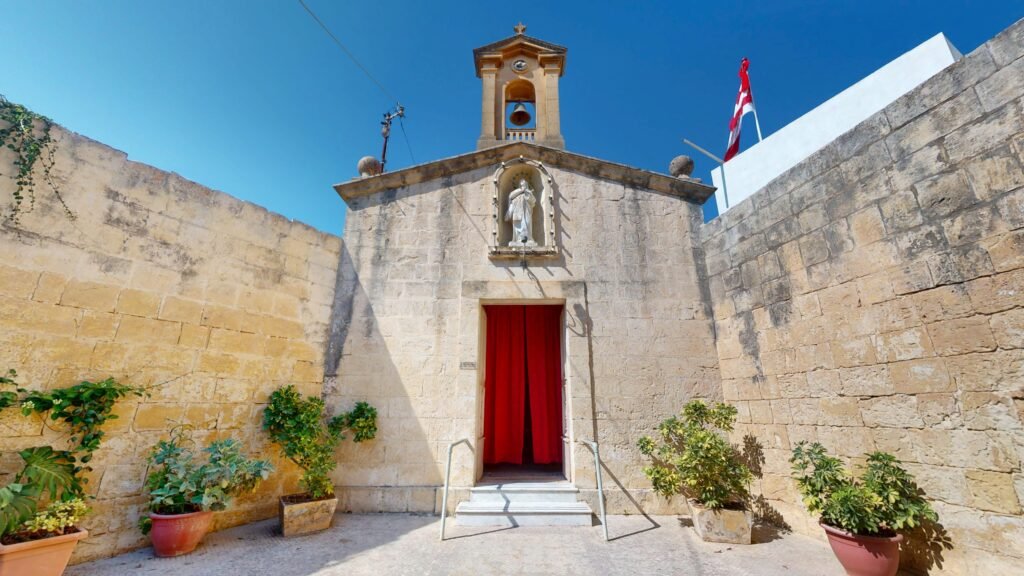
Chapel of Our Lady of Sorrows, Mqabba
The Chapel of Our Lady of Sorrows in Mqabba is one of the village’s lesser known yet deeply rooted devotional sites. Its origins are generally traced to the 18th century, a period when rural chapels were commonly established through private patronage. The chapel was likely commissioned by a local benefactor or family seeking to promote devotion to Our Lady of Sorrows, a title closely linked with themes of suffering, compassion, and perseverance.
At the time, Mqabba was a small agricultural community, and chapels such as this served as focal points for prayer among farmers working the surrounding land. The dedication reflects a strong Maltese attachment to Marian devotion, particularly in its more contemplative and penitential expressions.
Construction Details
Constructed using traditional Maltese limestone, the chapel follows a simple rectangular plan typical of rural ecclesiastical buildings. There are no surviving detailed records of cost or named architects, suggesting that it was a modest project carried out by local craftsmen under ecclesiastical guidance.
The façade is restrained, with a central doorway, small window, and modest bell structure. Architecturally, it reflects late Baroque influence in a simplified rural form, prioritising function over ornament. The thick walls and limited openings were practical responses to climate and durability rather than aesthetic ambition.
There is no record of major construction challenges, although like many chapels of its kind, it would have required periodic repair due to weathering.
Cultural and Religious Significance
Devotion to Our Lady of Sorrows has long been significant in Maltese religious life, especially during Lent. The chapel would have played a role in quiet reflection and personal prayer, particularly for those unable to attend larger parish churches regularly.
In Mqabba, known for its strong religious traditions and festas, the chapel contributed to the wider spiritual landscape of the village. It reinforced themes of sacrifice and endurance, resonating with the hardships of rural life. Occasional gatherings, prayers, and seasonal devotions would have taken place here, strengthening communal identity.
Present-Day Context
Today, the chapel remains part of Mqabba’s historical and religious heritage and it is in continuous daily use. It falls under the care of the local parish and heritage authorities, ensuring its preservation.
Restoration efforts over the years have focused on maintaining structural integrity and safeguarding its simple interior. While modest in scale, it continues to hold cultural value and is occasionally opened for devotional purposes, particularly during Lent.
Unique Stories or Legends
Local tradition associates the chapel with personal acts of devotion, where individuals would visit in times of hardship seeking comfort through the intercession of Our Lady of Sorrows. Though not linked to dramatic legends, its quiet reputation as a place of solace has endured across generations.
Some accounts suggest that farmers would pause here to pray before beginning work, reinforcing its role as a spiritual anchor within the rural landscape.
Visual and Artistic Features
The chapel’s exterior is plain, reflecting its rural origins, with soft limestone tones blending into the surrounding environment. Inside, the focus is on the altar dedicated to Our Lady of Sorrows, typically featuring imagery of the Virgin Mary in mourning, often depicted with symbolic elements such as the seven sorrows.
Decoration is minimal, with subdued tones and limited ornamentation. This simplicity enhances the chapel’s contemplative atmosphere, allowing visitors to engage in quiet reflection without distraction.
The Life and Meaning Behind Our Lady of Sorrows
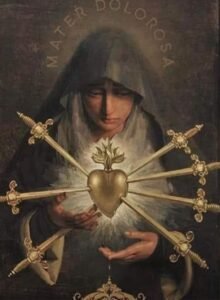 The devotion to Our Lady of Sorrows centres on the suffering of the Virgin Mary in connection with the life and Passion of Jesus Christ. Rather than focusing on a single moment, it reflects a lifetime marked by sacrifice, endurance, and unwavering faith.
This title draws from the Latin Mater Dolorosa, meaning Sorrowful Mother. It presents Mary not only as a figure of devotion but as a mother who experiences deep human grief. Over time, this devotion became a powerful expression of compassion, inviting believers to reflect on sorrow, resilience, and hope.
The Seven Sorrows Explained
The tradition of the Seven Sorrows developed in the medieval period and became central to this devotion. These moments trace Mary’s emotional journey:
The prophecy of Simeon
The flight into Egypt
The loss of the Child Jesus in the Temple
The meeting of Mary and Jesus on the way to Calvary
The crucifixion and death of Jesus
The body of Jesus taken down from the Cross
The burial of Jesus
Each sorrow reflects not only grief but steadfast faith, forming a narrative that has inspired prayer, art, and liturgy for centuries.
Growth of the Devotion in Europe
The devotion spread widely in Europe from the 13th century, particularly through the Servite Order, who promoted reflection on Mary’s suffering. By the Baroque period, the image of the Sorrowful Mother became one of the most recognisable in Catholic art, often depicted in dark garments with a heart pierced by swords.
The feast of Our Lady of Sorrows is celebrated on 15 September, following the Feast of the Exaltation of the Holy Cross. It remains an important moment in the liturgical calendar, especially in traditionally Catholic countries.
Our Lady of Sorrows in Malta
In Malta, devotion to Our Lady of Sorrows holds a deeply rooted place in religious and cultural life. Known locally as Id-Duluri, this devotion is most visible during Good Friday processions held across the islands. Statues of the Sorrowful Mother, dressed in black and often adorned with silver swords, are carried through streets lit by candles and filled with solemn prayer.
One of the most significant sites is the Church of Our Lady of Sorrows in Valletta, where large crowds gather on the Friday before Good Friday. Devotees follow the statue barefoot or in silence, fulfilling personal vows and expressing gratitude or seeking comfort.
The Maltese connection reflects a wider Mediterranean tradition, where the emotional depth of the devotion resonates strongly with communities shaped by faith, family, and shared history.
Artistic and Cultural Influence
The image of Our Lady of Sorrows has inspired some of the most moving works in Christian art. From the Pietà of Michelangelo to countless Baroque paintings, artists have sought to capture the quiet strength and sorrow of Mary.
Typically shown with a solemn expression, sometimes with tears, and often with one or seven swords piercing her heart, these images communicate a universal message of suffering transformed by faith.
Enduring Relevance
The story of Our Lady of Sorrows continues to speak to modern audiences. It offers a reflection on grief that is neither hidden nor denied, but faced with dignity and hope. In Malta and beyond, this devotion remains a living tradition, connecting past and present through shared emotion and belief.
