
Chapel of Perpetual Adoration
(Please allow a few seconds for the video to load)
Welcome to
“The Chapel of Perpetual Adoration” digital experience where history and technology intertwine to bring you something that is immersive and entertaining.
Explore the Chapel
Below, you will find a ‘Paywall’ feature, requesting you to make a donation to be able to enter the page.
Once you are in, you will find
Support a Mission, Explore a Treasure
Your entry helps Missio Malta continue their vital work in missionary lands overseas. By donating, you directly support communities in need while gaining 24-hour full access to this chapel's 3D experience and history.
Learn more about Missio's workAccess is valid for 1 Chapel for 24 hours from the time of donation
OR
360° Panorama
Zoom to full screen to view
Chapel of Perpetual Adoration
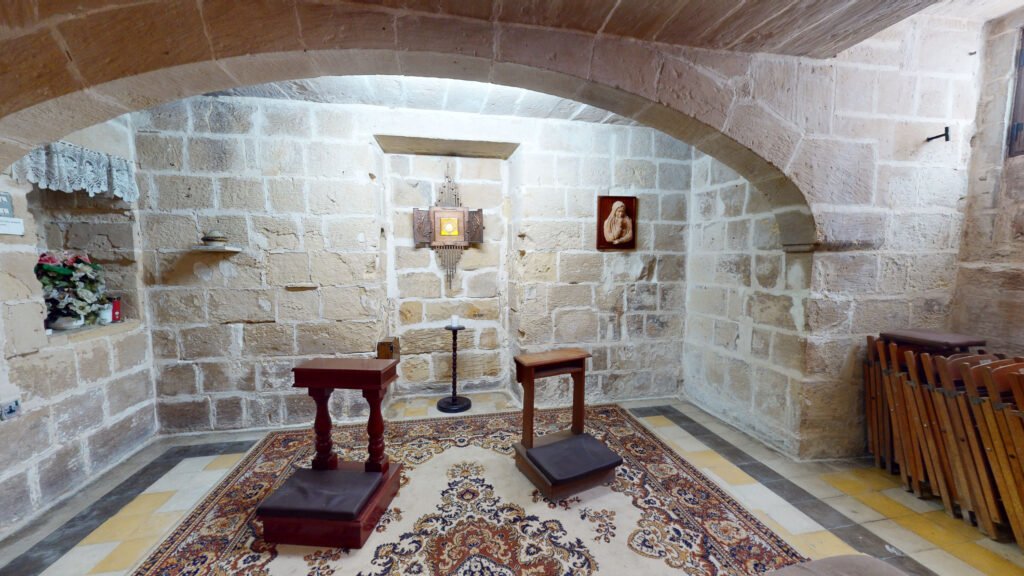
The Adorazzjoni Perpetwa Chapel, situated within the Parish Centre on Triq San Ġużepp in Santa Venera, serves as a dedicated space for perpetual adoration of the Blessed Sacrament. This chapel is integral to the Santa Venera Parish Church complex, which has evolved over time to meet the spiritual needs of its growing community.
Historical Background
The Santa Venera Parish Church was entrusted to the Carmelite friars in 1912, and by 1918, it was elevated to parish status. As the local population expanded, the need for a larger worship space became evident. Consequently, a new church was constructed, with its foundation stone laid on October 6, 1990, and the church inaugurated on July 17, 2005. Within this new complex, the Parish Centre was established, housing the Adorazzjoni Perpetwa Chapel to provide a dedicated area for continuous adoration.
Construction Details
Specific details regarding the construction cost and the artisans involved in building the Adorazzjoni Perpetwa Chapel are not readily available. However, it is known that the chapel was designed to offer a serene environment conducive to prayer and reflection. The architectural style is characterised by simplicity and reverence, focusing on creating a tranquil space for worshippers.
Cultural and Religious Significance
The Adorazzjoni Perpetwa Chapel holds significant cultural and religious importance within the Santa Venera community. It provides a sacred space for perpetual adoration, allowing parishioners and visitors to engage in continuous prayer and contemplation. This practice reinforces the community’s devotion and spiritual commitment, contributing to the cultural heritage of the area.
Present-Day Context
Currently, the Adorazzjoni Perpetwa Chapel is well-maintained and continues to serve as a vital part of the Santa Venera Parish. It is managed by the parish authorities, who ensure its upkeep and accessibility for worshippers. The chapel remains a cornerstone of the community’s spiritual life, offering a peaceful retreat for prayer and reflection.
Unique Stories or Legends
While there are no widely known legends specifically associated with the Adorazzjoni Perpetwa Chapel, its establishment within the Parish Centre underscores the community’s dedication to fostering a space for continuous worship and spiritual growth.
Visual and Artistic Features
The interior of the Adorazzjoni Perpetwa Chapel is designed to evoke a sense of peace and reverence. The altar, where the Blessed Sacrament is exposed, serves as the focal point, encouraging deep contemplation. The chapel’s minimalist design, combined with subdued lighting, enhances the spiritual ambiance, making it an ideal setting for perpetual adoration.
In summary, the Adorazzjoni Perpetwa Chapel in Santa Venera stands as a testament to the community’s enduring faith and commitment to continuous worship. Its serene environment and dedicated purpose make it a cherished spiritual haven within Malta’s rich cultural tapestry.
Perpetual Adoration: A Journey of Continuous Prayer and Spiritual Renewal
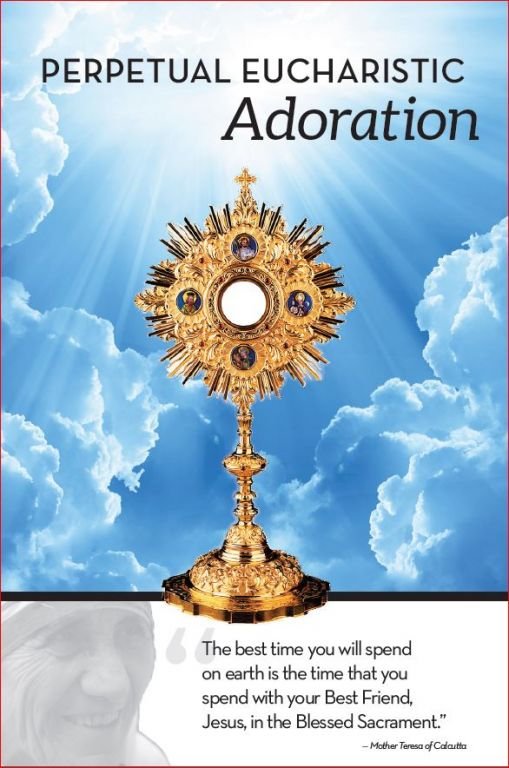
Perpetual Adoration is a practice within the Catholic Church where the Blessed Sacrament is exposed in a monstrance for continuous worship. This takes place in a dedicated chapel or church, where individuals or groups participate in unceasing prayer, day and night, as a sign of devotion and adoration to Christ.
This practice is rooted in the Catholic belief in the Real Presence of Christ in the Eucharist, where Jesus is believed to be present under the appearances of bread and wine. The term “perpetual” underscores the uninterrupted, 24/7 nature of this adoration, maintained by volunteers who commit to specific hours.
Origins: The practice of Eucharistic adoration began in the early centuries of Christianity, with a deeper focus emerging in the Middle Ages. The Feast of Corpus Christi, established in the 13th century, popularised adoration.
Growth: Perpetual Adoration as a formal, structured practice gained momentum in the 16th century, especially with the Counter-Reformation, as a means to deepen faith and devotion.
Modern Era: It saw a revival in the 19th and 20th centuries, with Pope Pius IX and later popes encouraging the establishment of perpetual adoration chapels worldwide.
The Eucharist is displayed in a monstrance, placed on an altar. Adorers often pray silently, meditate on Scripture, recite the rosary, or simply sit in the presence of the Blessed Sacrament. Participants sign up for hour-long shifts to ensure continuous prayer, with many chapels implementing systems to cover all 24 hours.
Spiritual Goals
Regular exposure to the Eucharist strengthens the belief in the Real Presence and fosters a personal relationship with Christ. By coming together in perpetual prayer, communities experience spiritual cohesion and solidarity.
It is believed to inspire repentance, renewal, and a deeper commitment to Christian living. Many faithful seek graces and intercede for others, believing the practice to be spiritually powerful.
Perpetual Adoration is both a profound expression of faith and a practical spiritual discipline, believed to bring immense personal and communal benefits. Its practice fosters a deeper connection to God, a sense of purpose, and a peaceful presence in the lives of adorers and their communities. While it poses logistical challenges, its impact on Catholic spirituality and community life remains significant.
